

Key Takeaways
- Regularly inspect and maintain your home’s electrical system to prevent hazards.
- Use appropriate safety devices, such as GFCIs and surge protectors.
- Be aware of warning signs indicating electrical issues.
- Practice safe habits with appliances and electrical cords.
Table of Contents
- Conduct Regular Electrical Inspections
- Install Ground Fault Circuit Interrupters (GFCIs)
- Avoid Overloading Outlets and Circuits
- Replace Damaged Electrical Cords
- Keep Electrical Devices Away from Water
- Unplug Unused Appliances
- Use Extension Cords Sparingly
- Childproof Your Outlets
- Know Your Breaker Panel
- Install and Maintain Smoke Alarms
Electrical safety isn’t something to take lightly—accidents can happen at any time, turning minor mistakes into serious incidents. Protecting your family and property begins with awareness and routine care. Making a habit of following electrical safety guidelines can help prevent fires, shocks, and other dangerous events. Whether you’re a new homeowner or have lived in your house for years, staying proactive about electrical safety is vital for peace of mind. For professional guidance or to schedule an assessment of your home’s wiring and safety devices, consider visiting https://www.fusionkc.com/electrical-safety-inspections-kansas-city/.
Many common electrical risks are entirely preventable with a few simple actions. Conducting regular inspections and using the right devices minimizes hazards, while forming safe habits ensures your electrical system serves you reliably for years. Understanding the essentials of electrical safety is the best way to avoid unexpected emergencies and keep your loved ones safe at all times.
It’s crucial to know how to spot warning signs and when to call in a professional. Issues like burnt outlets, buzzing noises, or zoning issues in your breaker panel aren’t just minor inconveniences—they may signal larger problems. Appliances, cords, and outlets are among the most common causes of household electrical accidents, so taking preventive measures in these areas goes a long way.
Children and pets are especially vulnerable to electrical dangers, so childproofing is an essential consideration for any family. A great way to ensure safety is to regularly review your home’s setup and consult a licensed electrician as needed for upgrades or repairs.
Conduct Regular Electrical Inspections
Regular electrical inspections are the foundation of a safe home environment. Look for signs such as flickering lights, buzzing sounds, warm or discolored outlets, and unusual smells near sockets and appliances. Any of these symptoms may indicate outdated wiring or overloaded circuits and should be checked by a professional. Performing annual inspections helps detect minor issues before they escalate into costly repairs or dangerous incidents.
Install Ground Fault Circuit Interrupters (GFCIs)
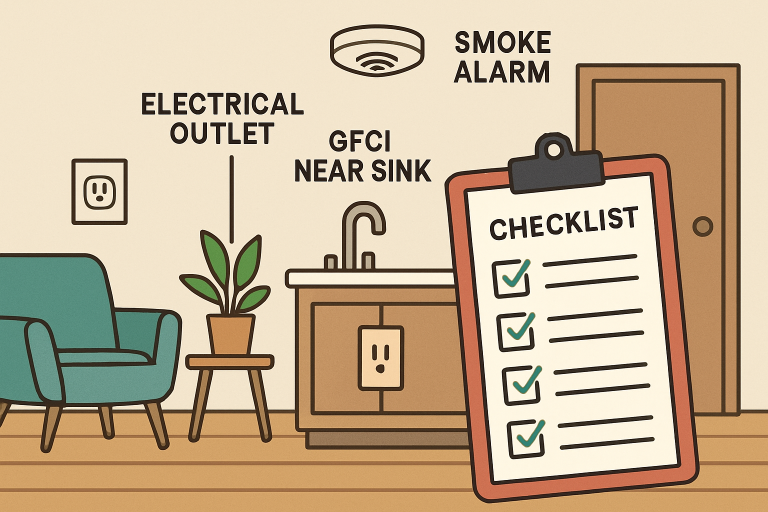
Ground Fault Circuit Interrupters (GFCIs) are essential for protecting your home from electrical shocks, especially in wet areas such as bathrooms, kitchens, garages, and outdoor locations. These devices detect imbalances in electrical current and cut off power instantly, preventing serious injury. For detailed guidance on GFCI safety and proper use, OSHA provides a helpful resource on Ground Fault Circuit Interrupters. Make sure each GFCI outlet is tested monthly by pressing the “test” and “reset” buttons. Installing GFCIs is an investment in your family’s safety and offers assurance, particularly if there are children in the house.
Avoid Overloading Outlets and Circuits
One of the most common causes of household electrical fires is overloading outlets and power strips. When multiple high-draw devices are plugged into a single outlet, the wiring can overheat, leading to fires and equipment damage. According to The Spruce, understanding what constitutes an electrical circuit overload is crucial for preventing these hazards. Use dedicated outlets for major appliances, and never “daisy-chain” extension cords or power strips. If you continually run out of outlets, it’s time to have more installed.
Replace Damaged Electrical Cords
Immediately replace any electrical cord that shows signs of fraying, cracking, or visible wear. Damaged cords can expose live wires, posing risks of shock or fire. Never attempt to repair a damaged cord with tape or glue, as this compromises both safety and functionality. Use cords certified by recognized safety organizations and discard any that cannot be fixed professionally. Safe cord management, such as keeping cords out of walkways and away from heat sources, also helps extend their lifespan and keeps your household safer.
Keep Electrical Devices Away from Water
Water is a conductor of electricity, making even minor contact with live electrical devices or outlets extremely hazardous. To prevent shocks, always keep appliances such as hair dryers, radios, and kitchen gadgets a safe distance from sinks, tubs, and other water sources. Dry your hands thoroughly before touching any electrical device. In areas where water and electricity are close together, such as bathrooms and kitchens, installing GFCIs is of utmost importance.
Unplug Unused Appliances
Unplugging devices when not in use not only conserves energy but also reduces the risk of overheating, electrical surges, and subsequent fire hazards. This is especially relevant for high-heat items like toasters and space heaters. Smart plugs and surge protectors can make managing this easier by automatically shutting off power and protecting your devices from sudden voltage spikes.
Use Extension Cords Sparingly
Extension cords should only be used as temporary solutions. Prolonged use can lead to overheating, especially if the cord is not rated for the device’s power demand. If you find yourself regularly relying on extension cords or power strips, consult a licensed electrician about adding dedicated outlets in those areas for a safer, more permanent fix.
Childproof Your Outlets
For households with children, installing tamper-resistant (TR) outlets or outlet covers is a must. These safety measures prevent curious hands from inserting objects into sockets, significantly reducing the risk of shock. Educating children about the dangers of electricity and keeping cords and devices out of reach further protects curious kids and visiting guests alike.
Know Your Breaker Panel
Every homeowner should be familiar with the breaker panel. Clearly label each circuit, so you know precisely which switches control which parts of your home. This makes it easy to shut off power in emergencies or during repairs. Regularly exercise the breakers by switching them off and on, ensuring all work as intended and that you’re prepared in case of electrical emergencies.
Install and Maintain Smoke Alarms
Smoke alarms are a critical first line of defense against electrical fires. Place them on every level of your home and inside each bedroom. Alarms should be tested each month and batteries replaced at least once a year. Many modern alarms feature long-life, sealed lithium batteries that require less frequent changes and offer peace of mind for a decade. For best protection, consider interconnecting all smoke alarms so they sound together if one detects smoke.
By incorporating these electrical safety practices, you significantly reduce your risk of electrical emergencies and foster a safer home. Routine maintenance and being attentive to warning signs make all the difference in prevention and peace of mind.