

Key Takeaways
- Colors have a profound effect on emotions and can influence the ambiance of a space.
- Warm colors tend to energize, while cool colors promote relaxation.
- Neutral tones offer versatility and can serve as a backdrop for various design elements.
- Lighting and texture play crucial roles in how colors are perceived.
- Personal preferences and cultural influences should guide color selection.
Table of Contents
- Understanding Color Psychology
- Warm Colors: Energizing and Inviting
- Cool Colors: Calming and Soothing
- Neutral Tones: Versatile and Timeless
- The Role of Lighting and Texture
- Personal Preferences and Cultural Influences
- Practical Tips for Choosing Home Colors
- Conclusion
Choosing the right colors for your home is about much more than just paint on the walls. The hues you bring into your living spaces speak volumes about your style, influence your daily mood, and can even change the way you experience each room. When planning a redesign, working with a professional residential painter Louisville can help you navigate these important choices and ensure your chosen palette brings out the best in your home environment.
Whether you’re embarking on a complete remodel or making subtle updates, understanding the connection between color and comfort allows you to craft spaces that enhance every aspect of your life. The psychology behind color impacts everything from relaxation to energy levels, making it crucial to choose hues that match your lifestyle and aspirations. Carefully selected colors can help you set the ideal tone for entertaining, unwinding, or finding focus, all while creating harmonious transitions between rooms.
Each shade you consider holds the potential to either lift spirits or induce tranquility. Factors like the intensity of your chosen color, how it interacts with the natural and artificial light in each space, and the existing texture of your walls or furnishings all play important roles in the process. A purposeful approach ensures that each room not only looks beautiful but also feels right for its function and your personality.
Personal preference will always be important, yet looking deeper into design principles such as color psychology and how different tones interact with your lifestyle will ensure your home feels both harmonious and unique. Additionally, paying attention to cultural associations with color can help you avoid choices that might feel discordant within your family or social setting.
Understanding Color Psychology
Color psychology examines the ways different hues affect emotions and behaviors. Within home design, these insights provide a powerful tool for shaping how a space feels and functions. For example, colors can either stimulate activity or promote serenity, help make a compact area feel larger, or turn a vast room into a cozy retreat. The effect of color on the mind is so significant that certain shades are recommended for specific rooms based on how they make people feel.
According to the Psychology Today guide to color psychology, colors are tied to deep psychological triggers that influence our comfort and alertness. Using this knowledge, homeowners can purposefully select palettes that boost creativity in a home office, relaxation in bedrooms, or energy in social areas.
Warm Colors: Energizing and Inviting
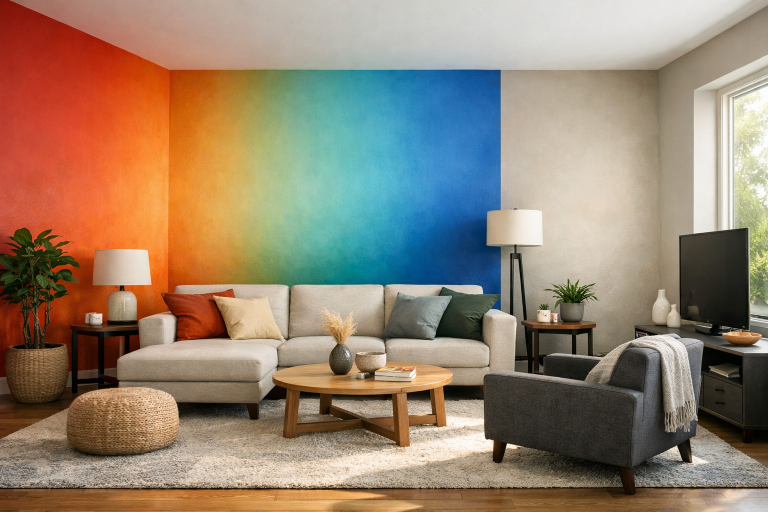
Warm colors such as reds, oranges, and yellows are ideal for creating dynamic, inviting spaces. These hues can make spacious rooms feel more intimate and are often chosen for living and dining areas where people gather and interact. The vibrant undertones of these shades promote conversation and warmth, making them perfect for spaces where you want to encourage lively engagement.
While bold warm colors can be stimulating and help ward off monotony in large, open spaces, they can sometimes feel overwhelming when used too liberally. To maintain balance, many designers recommend pairing them with understated accents or neutrals. This way, you can enjoy their energy without overpowering the senses.
Cool Colors: Calming and Soothing
Cool tones, including blues, greens, and lavenders, evoke tranquility and spaciousness. These shades are particularly suited for bedrooms and bathrooms, where promoting rest and relaxation is a priority. Cool colors tend to recede visually, making small rooms seem larger and airier, which is helpful in urban environments where space is at a premium.
Many people find that cool palettes offer an effective antidote to the stress of everyday life. Studies point to the benefits of blue and green hues in reducing anxiety and promoting focus, making them a wise choice for creative studios or home offices.
Neutral Tones: Versatile and Timeless
Neutral staples such as beige, ivory, taupe, gray, and soft whites are a foundation of modern design for good reason. They offer versatility and lend an effortlessly sophisticated look to any space. Neutrals create a backdrop that allows other elements, such as art and textiles, to shine while promoting visual and emotional balance.
The adaptability of neutral colors lets homeowners easily update their décor as trends change, without the need for a complete redesign. By choosing classic neutral shades, you ensure your rooms feel fresh and timeless for years to come.
The Role of Lighting and Texture
Light has a huge effect on how colors appear in your home. Natural daylight can bring out the vibrancy in a color, while artificial lighting (such as incandescent or LED bulbs) may mute or shift the hue. It is essential to test how your chosen colors look at various times of day and under different lighting sources to avoid surprises after painting.
Texture is another companion to color, adding depth and dimension. Incorporating different finishes, such as matte walls with glossy trim or textured fabrics against smooth, painted surfaces, adds subtle complexity to a monochromatic palette. This strategy can prevent a single-color room from feeling flat or uninspired.
Personal Preferences and Cultural Influences
Your experiences, memories, and culture all shape how you perceive and react to color. In some cultures, colors like white are associated with purity and optimism, while in others they are tied to mourning or solemnity. Take time to reflect on what certain hues mean to you and your family to ensure your choices result in a space where everyone feels at home.
Seeking out inspiration from art, fashion, or global traditions can also bring unexpected harmony and relevance to your color selections, while honoring your unique preferences and heritage.
Practical Tips for Choosing Home Colors
- Define the mood and function you want for each space before selecting a palette.
- Use paint samples and examine them in different lighting, both day and night, to see how colors change.
- Introduce accent colors through furniture, artwork, or accessories to add visual interest without overwhelming the room.
- Pair bold or saturated colors with neutral backgrounds to achieve balance.
- Express your personality through color while staying mindful of timelessness and broad appeal, especially if you plan to sell your home in the future.
Conclusion
Thoughtful color choices are an essential part of transforming any house into a home that is both beautiful and functional. Whether you prefer a vibrant, energizing palette or a muted, calming sanctuary, approaching color selection with an understanding of psychology, light, and culture will help you craft spaces that feel uniquely yours. Exploring a wide range of options with expert guidance ensures every room contributes to a cohesive and inviting atmosphere throughout your home.