

Key Takeaways
- Effective fire safety measures reduce the likelihood of burn-related accidents.
- Immediate and appropriate first aid is crucial in improving the prognosis after a burn.
- Holistic burn recovery includes medical, psychological, and community support.
- Innovative treatments and burn support centers improve survivorship and reintegration.
Burn injuries can change lives in an instant, leading to serious physical, psychological, and financial consequences for those affected. Preventing these injuries through sound fire safety strategies should be a top priority for every individual and community. When accidents do occur, understanding the recovery journey and the available support resources, such as a Denver burn injury lawyer, can make a critical difference in achieving the best long-term outcomes for survivors.
Fire hazards can arise in almost any environment, from a kitchen or workplace to a public venue. Implementing rigorous safety protocols and knowing the initial steps to take when someone suffers a burn can minimize injury severity and support a smoother recovery. For survivors and their families, comprehensive care, both physical and emotional, is essential to regaining independence and quality of life.
Long-term recovery from severe burns involves an integrated approach that addresses both visible wounds and deeper psychological scars. Active participation in rehabilitation and strong support from family or specialist groups can help survivors adjust to new routines, manage chronic issues, and rediscover their place in the community.
Understanding Fire Safety Measures
Reducing the risk of burn injuries starts with ongoing attention to safety at home, work, and in public spaces. This includes regular inspection and maintenance of electrical wiring and appliances, proper storage and use of combustibles, and the installation of up-to-date smoke alarms. Routine fire drills and clear evacuation plans also ensure that everyone knows how to respond if a fire breaks out.
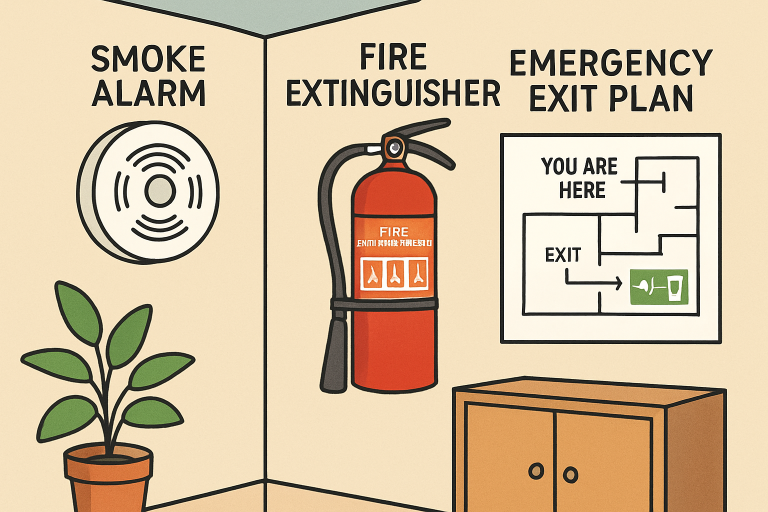
Public awareness campaigns, education initiatives for children and adults, and employer-led training sessions continue to play a critical role in preventing fires and preparing people to respond effectively during emergencies.
Immediate Response to Burn Incidents
When a burn injury occurs, providing prompt and appropriate first aid can help reduce tissue damage and pain. Experts recommend cooling the burn with lukewarm water, never ice, for 10–20 minutes, covering it loosely with a sterile or clean cloth, and seeking medical help right away. Consulting a Denver personal injury lawyer can also help injured individuals understand their legal options if the burn was caused by negligence. In addition to mitigating acute injury, early intervention decreases the risk of infection and long-term complications.
For severe burns or injuries affecting the face, hands, feet, or genitals, emergency services should be called immediately, as these cases demand specialist intervention. Quick thinking and well-practiced emergency procedures save lives and improve recovery odds.
Physical Rehabilitation After Burns
The journey to physical recovery after a burn can be long and requires specialized care. Survivors often need surgeries, such as skin grafts, and ongoing wound management. Physical and occupational therapists introduce stretching and strengthening routines to help restore range of motion, prevent contractures, and rebuild muscle strength.
Recent innovations, such as “spray-on skin” (ReCell technology), have significantly reduced scarring and accelerated healing in burn victims. Modern burn centers now offer advanced treatments that were not available decades ago, providing survivors with a better chance at functional and aesthetic recovery.
Psychological Support and Community Integration
Beyond physical ailments, burn survivors frequently contend with emotional trauma, including anxiety, depression, and post-traumatic stress. Support groups play a vital role in fostering hope and resilience, offering peer-to-peer sharing and strategies for coping with life-altering injuries. Organizations such as the New Life Burn Society at Johns Hopkins Bayview Medical Center help survivors develop a sense of belonging and self-worth, which research shows is key to long-term recovery.
Community integration and vocational rehabilitation programs may also be necessary to help survivors resume social and work activities. Comprehensive support helps restore confidence and addresses the broader impacts of burn injuries on family dynamics and daily living.
Long-Term Health Considerations
Even after wounds have healed, burn survivors, especially the elderly, face elevated risks of complications. Lingering issues might include chronic pain, restricted movement, or heightened vulnerability to infections. Recent studies have identified increased mortality rates for older adults up to five years after a serious burn, underlining the need for proactive medical follow-up and lifestyle adjustments.
Maintaining a routine schedule of health assessments allows healthcare professionals to address secondary issues early. Family members and caregivers should also be aware of the persistent nature of some burn-related health problems and the value of holistic care.
Advancements in Burn Care Facilities
Dedicated burn care centers have transformed recovery outcomes for thousands of survivors across the United States. Centers such as the UC Davis Burn Center, which recently marked its 50th anniversary, exemplify the leaps in capability within the field. These centers offer multidisciplinary teams, including surgeons, nurses, therapists, and counselors, who guide patients through each phase of healing, from acute care to community reintegration.
Specialist facilities provide access to cutting-edge therapies, clinical trials, and educational resources for patients and families. Their commitment to research and continuous improvement ensures the highest standards of care for those affected by burn injuries.
Final Thoughts
Fire safety and effective recovery from burn injuries require vigilance, preparedness, and access to advanced care and support networks. Through prevention, responsive first aid, and innovative rehabilitation, it is possible to minimize the impact of burns and support those who are rebuilding their lives. By fostering community awareness and encouraging compassionate engagement, we can make meaningful strides toward resilience and recovery for burn survivors everywhere.
