
Key Takeaways
- Effective communication and empathy form the foundation of trust and rapport with clients and families, making daily interactions smoother and more meaningful.
- Physical strength and organization enable caregivers to manage numerous daily duties efficiently and safely, thereby reducing the risk of injury and enhancing client confidence.
- Continuous learning and adaptability are keys to keeping pace with evolving client needs, healthcare protocols, and industry standards.
Entering the caregiving profession offers a unique opportunity to make a meaningful impact on the lives of others. Beyond providing physical assistance, caregivers often play a crucial role in offering emotional support, companionship, and guidance to those in need. Success in this field requires a combination of empathy, patience, strong communication skills, and the ability to adapt to various situations. Understanding the diverse needs of individuals, from the elderly to those with disabilities, is crucial for delivering care that is both effective and compassionate.
For those exploring career opportunities in caregiving, positions such as Beacon Specialized caregiver jobs provide a pathway to gain hands-on experience while developing critical skills. Building expertise in time management, problem-solving, and teamwork can enhance a caregiver’s ability to meet daily challenges. With dedication and continuous learning, individuals can thrive in this rewarding profession while positively influencing the well-being of those they serve.
Effective Communication
Clear and compassionate communication is at the core of quality caregiving. Caregivers must excel at actively listening to clients’ thoughts, needs, and concerns, offering reassurance, validation, and encouragement during vulnerable moments. For clients experiencing memory loss, confusion, or anxiety, a caregiver’s clear and patient communication can help reduce stress and foster lasting trust. Moreover, caregivers serve as a bridge between the client, their family, and medical professionals, ensuring that all parties are well-informed and aligned regarding treatment plans or changes in care routines. Effective communication among caregivers and healthcare providers significantly reduces the chance of preventable errors and enhances patient safety. Strong documentation and reporting also ensure continuity of care, especially when multiple caregivers are involved.
Empathy and Compassion
Empathy enables caregivers to genuinely understand and connect with their clients on a deeper level, appreciating the emotional and physical challenges they face each day. Compassion extends this connection into concrete actions—being present, listening without judgment, and providing patient, non-intrusive support with daily activities. When caregivers empathize with a client’s struggles, fears, or uncertainties, it results in a dignified and respectful care experience that affirms the client’s sense of self-worth. These interpersonal skills offer comfort and reassurance, enabling clients to feel heard and valued. Compassionate caregivers often become trusted companions, making a profound difference in a client’s quality of life, especially when family members are not nearby.
Physical Stamina and Strength
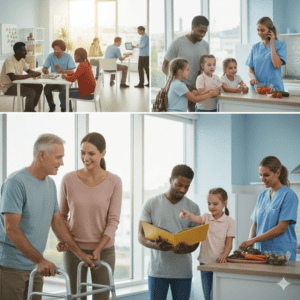
Successful caregivers are physically prepared to assist with a range of daily tasks, from helping clients with mobility and personal hygiene to assisting with errands and household chores. Many caregiving scenarios require lifting, transferring, or supporting clients with limited mobility, which can be strenuous if not approached correctly. Maintaining one’s own health through regular exercise, proper ergonomics, and self-care routines allows caregivers to support clients safely and to avoid injury for both parties. Physical stamina helps caregivers remain alert, attentive, and effective, even during long or challenging shifts. Equally important is knowing one’s limits and seeking assistance when necessary to ensure the safety of both the caregiver and the client.
Time Management and Organization
Caregivers are often responsible for coordinating medication schedules, managing medical appointments, planning meals, and ensuring household tasks are completed—all of which can become overwhelming when caring for multiple clients or working in busy care environments. Strong organizational skills enable caregivers to keep track of critical tasks, deadlines, and routines, which is essential for providing consistent, high-quality care. Using detailed care plans, daily checklists, and structured routines allows caregivers to prioritize urgent activities and ensure no aspect of care—such as nutrition, hygiene, or medication—is overlooked. Effective time management prevents burnout, enables compassionate interactions, and promotes a calm, predictable environment for clients.
Problem-Solving Abilities
The unpredictable nature of caregiving means that unexpected situations are inevitable. Whether it’s handling a sudden medical emergency, adapting quickly to shifts in a client’s personality or behavior, or resolving conflicts with clients or their family members, effective caregivers rely on strong problem-solving skills. They must evaluate situations quickly, make informed decisions under pressure, and implement solutions that prioritize the client’s well-being. A solution-oriented mindset, combined with training and experience, enables caregivers to maintain stability and provide comfort, especially when care plans are disrupted or challenged by unforeseen events.
Adaptability and Flexibility
No two days in caregiving are ever exactly alike. Clients’ needs can evolve suddenly due to changes in health or unexpected circumstances, and routines may require constant adjustment. Flexibility is vital, as caregivers must be ready to learn new care protocols, modify schedules, and adapt their approach to deliver truly personalized, responsive care. Being open to change and willing to meet each new challenge with a positive attitude ensures that clients always receive the best possible support.
Continuous Learning
The field of caregiving evolves regularly in response to new healthcare advancements, changing regulations, and updated best practices. Ongoing training, professional development, and exposure to new technologies not only enhance the quality of care provided but also keep caregivers engaged and motivated. Opportunities such as specialized workshops, additional certifications, and proactive learning about relevant medical conditions equip caregivers to embrace future challenges and expand their professional capabilities. Lifelong learning also empowers caregivers to advocate for their clients and ensure the highest standards of care are met in every situation.
Conclusion
A successful career in caregiving requires more than just a compassionate heart and basic skills—it demands a deep commitment to mastering communication, empathy, organizational skills, physical strength, adaptability, and ongoing education. By actively developing and refining these essential abilities, caregivers can ensure the well-being and dignity of those they serve, fostering independence and comfort for each client. For those who feel called to this profession, the rewards extend far beyond a paycheck; caregivers have the opportunity to make a truly meaningful and lasting impact on the lives of others.