

Key Takeaways
- A Lake Tippecanoe purchase involves the house, the shoreline, water access, and the rules that govern them.
- Verify whether access is private, shared, deeded, or public before treating a listing as waterfront.
- Inspect the home’s systems as well as the dock, shoreline, drainage, septic system, well, and retaining features.
- Build a budget that accounts for insurance, taxes, maintenance, association costs, and seasonal ownership expenses.
- Use contract contingencies to allow adequate time for inspections, title review, surveys, and permit checks.
Lake Tippecanoe offers the setting many buyers want for a full-time home, a weekend retreat, or a place to gather with family. Still, a water-oriented purchase deserves more preparation than choosing a house based on its view, bedroom count, and finish selections. Understanding the property’s condition, access, and ongoing responsibilities can help buyers make a more informed choice.
For a local perspective, Lake Tippecanoe IN real estate experts Deb Paton Showley Group provide buyers with property search tools, waterfront listings, and community information through the Deb Paton Showley Group website. The team serves Kosciusko County communities, including Warsaw, Syracuse, Winona Lake, Leesburg, and North Webster, and its focus on lake property makes it a useful local resource for buyers with detailed questions about access, shoreline features, and year-round ownership. Local knowledge can also help buyers understand how different properties may fit their intended use.
Why Lake Homes Need a Different Checklist
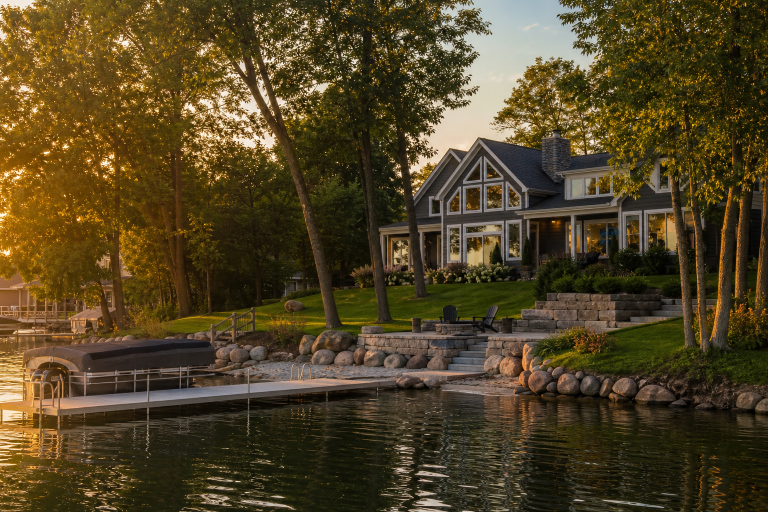
On Lake Tippecanoe, the experience of owning property often extends well beyond the home’s walls. Buyers may be taking responsibility for a path to the water, a dock, a seawall or retaining wall, mature trees near the bank, and drainage that changes with rain or snowmelt. A sunny showing can hide a steep shoreline route, shallow water at the end of the pier, or exterior components that need attention.
Older or more rural properties may also use private systems such as a well or septic system. Private roads, snow removal arrangements, and seasonal utility demands can affect both convenience and long-term costs.
Define What “Waterfront” Really Means
Do not assume that “lake access” and “lakefront” describe the same ownership experience. Direct waterfront generally means the lot reaches the water, while deeded access may provide a legal right to use a separate shared area. Other homes may have a community beach, shared pier space, or only a nearby public launch.
Questions to Ask Before Making an Offer
- Does the surveyed lot extend to the shoreline?
- Is access private, shared with neighbors, or open to the public?
- Do dock, pier, beach, or launch privileges transfer with the sale?
- Can guests use the shared facilities?
- Are association dues, maintenance charges, or special assessments possible?
Build the Complete Ownership Budget
The purchase price is only the starting point. A lower-priced lake home can become the more expensive option if it requires shoreline stabilization, dock repairs, tree work, drainage improvements, or frequent winterization. Build a monthly and annual ownership estimate before deciding what is comfortably affordable.
- Mortgage payment, property taxes, and homeowners’ insurance
- Possible flood insurance and added liability coverage
- Association dues, private-road costs, and snow removal
- Well testing, septic pumping or repairs, and water-system maintenance
- Dock, lift, boat storage, exterior upkeep, and shoreline work
- Utilities, including heating costs during Indiana winters
Inspect the Home, Land, and Shoreline
A standard home inspection is important, but it may not answer every question about a waterfront home. Ask the inspector to pay close attention to basement moisture, foundation movement, roof condition, decks, siding, windows, grading, and runoff patterns. Then bring in qualified specialists when concerns appear outside the inspector’s scope.
Useful follow-up evaluations may include a septic inspection, well flow and water-quality testing, a structural review of retaining walls, or a shoreline contractor’s assessment of erosion and stabilization needs. Inspect pier posts, decking, connections, and boat-lift components, but also confirm whether those items are included in the sale.
Confirm Docks, Rights, and Rules
Listing photos does not establish ownership or permission. Review the deed, title commitment, recorded easements, survey, association documents, and permit history. Compare those documents with the seller’s description of the property, especially where access or a pier is central to the home’s value.
- Confirm the legal lot boundaries and shoreline relationship.
- Determine whether the dock and lift are personal property included with the home.
- Ask who maintains, replaces, and stores waterfront equipment.
- Check local and lake-specific limits on pier placement, size, repairs, vegetation removal, and improvements.
- Review zoning setbacks before planning an addition, guest area, storage building, or expanded outdoor space.
Flood information also deserves early attention.
Compare Financing and Insurance Early
Speak with lenders before becoming attached to a specific property. Second homes, rural homes, and homes with private utilities can prompt additional underwriting questions. Obtain written loan estimates that reflect the intended occupancy and compare interest rates, fees, down payment requirements, insurance estimates, and the full projected monthly payment.
The Consumer Financial Protection Bureau recommends comparing at least three mortgage offers, which helps buyers compare terms rather than relying on a single advertised rate. Request quotes for homeowners, flood, liability, and waterfront-structure coverage early enough to make informed decisions during the contingency period.
Write a Careful Offer and Closing Plan
A strong offer does not have to mean giving up every protection. Set realistic deadlines for inspections, financing, title review, insurance, survey work, and permit verification. Ask the seller for repair invoices, service records, warranties, known water intrusion history, septic documentation, and information about prior shoreline or storm-related work.
Final Checklist
- Clarify whether the home will be a primary residence, second home, or rental.
- Verify direct waterfront status or the exact terms of lake access.
- Estimate all recurring and seasonal ownership costs.
- Inspect the house, land, dock, shoreline, and private systems.
- Review title documents, surveys, easements, permits, and association rules.
- Secure insurance and compare several financing options.
- Use an offer timeline that protects time for property-specific due diligence.
Buying near Lake Tippecanoe can be rewarding when the practical details match the lifestyle vision. Look beyond the view, verify what comes with the property, and evaluate the costs and responsibilities that will remain long after closing.