

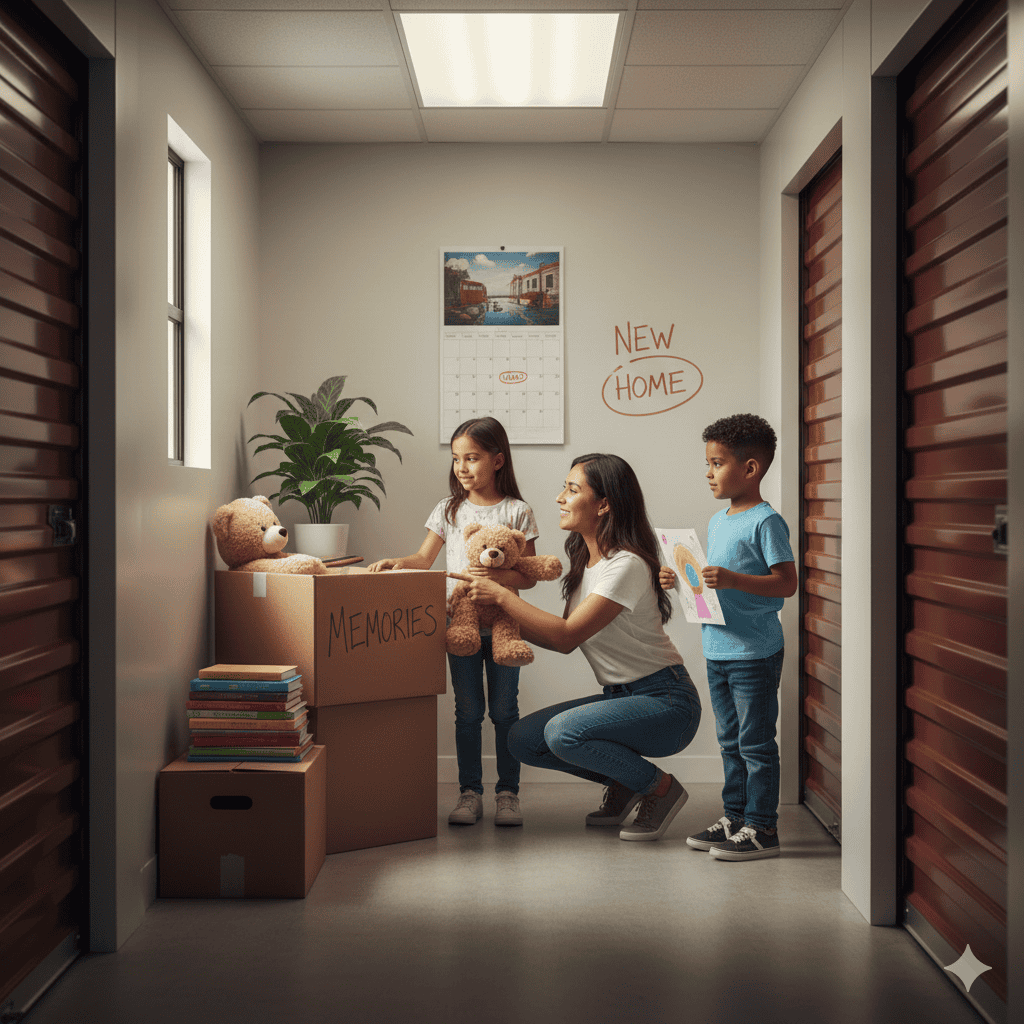
Housing instability can affect families in many ways, from sudden relocations to longer periods of uncertainty about where they will live next. When housing situations change quickly, personal belongings are often overlooked as families focus on securing shelter, employment, or essential services. Yet for many households, protecting those belongings plays an important role in maintaining stability, dignity, and continuity during a difficult time.
Safe, reliable storage can offer practical support when permanent housing is temporarily out of reach. Understanding why storage matters and how it fits into broader support systems can help families make informed decisions during periods of transition.
The Hidden Impact of Housing Instability on Personal Belongings
When families experience housing instability, they may need to move on short notice, stay with relatives, or transition through temporary housing options. In these situations, space is often limited, and not everything can come along. Furniture, seasonal items, important documents, children’s belongings, and sentimental items can quickly become burdensome if there is nowhere secure to keep them.
Without a safe place to store possessions, families may be forced to discard items they will later need or want. Replacing those items adds financial strain and emotional stress, especially for children who may already feel unsettled by changes in their living situation.
Storage as a Tool for Stability During Transitions
Access to secure storage allows families to focus on immediate needs without losing sight of longer-term goals. Instead of worrying about where belongings are or whether they will be damaged or lost, families can concentrate on finding stable housing, maintaining employment, or supporting children through the transition.
In cities with high housing costs, such as Miami, storage can be especially useful. Families moving between housing arrangements may benefit from knowing their belongings are protected and accessible. Exploring local storage options during transitional periods can help bridge the gap between temporary solutions and more permanent housing, easing stress during an already challenging time.
Protecting Essential and Irreplaceable Items
Some belongings go beyond everyday use and are difficult or impossible to replace. Birth certificates, medical records, school paperwork, and legal documents are often required to access services, enroll children in school, or apply for housing assistance.
Secure storage environments help protect these items from weather damage, theft, or accidental loss. Climate-controlled units can be particularly helpful for preserving paper documents, photographs, and electronics. Knowing these items are stored safely can provide peace of mind during uncertain times.
Supporting Children and Emotional Well-Being
Housing instability can be especially difficult for children, who may struggle with sudden changes in routine and environment. Familiar belongings such as toys, books, or keepsakes often provide comfort and a sense of normalcy.
When families have access to storage, they are not forced to make immediate, permanent decisions about what to keep or discard. This flexibility allows children to hold onto meaningful items until the family is settled again, which can help reduce emotional strain and support resilience.
Flexibility for Changing Circumstances
Uncertainty is one of the most challenging aspects of housing instability. Timelines can shift, plans may change, and temporary arrangements sometimes last longer than expected. Storage solutions offer flexibility by allowing families to adjust as circumstances evolve.
Month-to-month storage options can be particularly helpful because they do not require long-term commitments. Families can increase or reduce storage space as needed, depending on their situation. This adaptability makes storage a practical resource rather than an added burden.
Storage as Part of a Broader Support Network
While storage alone cannot resolve housing instability, it can play an important supporting role alongside community services, housing programs, and family support networks. By removing one layer of stress, deciding what to do with personal belongings, storage helps families stay organized and prepared for the next steps.
Many community organizations recognize the importance of preserving personal property. When families retain their belongings, they are better positioned to move into stable housing without having to start over. This continuity can make transitions smoother and more sustainable.
Making Informed Storage Choices
When considering storage during a period of housing instability, families should look for facilities that prioritize safety, accessibility, and affordability. Features such as secure access, clear rental terms, and convenient locations can make a meaningful difference.
It is also helpful to think carefully about what to store. Prioritizing essential items, documents, and irreplaceable belongings ensures storage space is used effectively and supports future needs.
Looking Ahead With Greater Security
Housing instability is complex, and families navigating it benefit from practical tools that reduce stress rather than add to it. Safe storage offers a way to protect what matters most while families work toward stability.
By preserving belongings, supporting emotional well-being, and providing flexibility during transitions, storage can serve as a valuable resource that helps families move forward with greater confidence.