

Key Takeaways
- Inspect structural elements carefully to ensure long-term stability and safety.
- Prioritize updates to electrical, plumbing, and energy systems for modern efficiency.
- Blend modern conveniences with historic charm by preserving architectural details.
- Consider smart technology and layout changes to adapt the home for contemporary use.
Table of Contents
- Assessing Structural Integrity
- Updating Electrical and Plumbing Systems
- Enhancing Energy Efficiency
- Modernizing Kitchens and Bathrooms
- Preserving Architectural Features
- Improving Curb Appeal
- Integrating Smart Home Technology
- Adapting Layouts for Modern Lifestyles
Assessing Structural Integrity
If you’re considering purchasing or renovating an older home, it’s important to begin with a thorough assessment of its foundational and structural health. Look closely for warning signs, such as large cracks in the walls, sloping floors, or sagging ceilings—these may indicate foundational problems that could require major repairs in the future. Consulting with an experienced professional, such as a home inspector, ensures that you discover issues early and can make informed decisions about your investment. For those purchasing in the Pacific Northwest, seeking guidance from a Leavenworth real estate advisor Camiekae Lynch can provide vital local expertise during the home evaluation process.
Structural integrity is paramount not only for safety but also for peace of mind and future resale value. Early detection of potential issues helps prevent costly surprises and sets the stage for successful remodeling tailored to modern living.
Updating Electrical and Plumbing Systems
One of the biggest challenges facing owners of older homes is the outdated infrastructure, particularly in the electrical and plumbing systems. Knob-and-tube wiring or corroded pipes are common in homes built before the mid-20th century and can present serious safety hazards. Engage a licensed electrician and plumber to inspect the home’s systems, looking for outdated panels, limited circuit capacity, and signs of leaks or water damage. Upgrading these elements is a key investment that not only makes your home safer but also supports the demands of today’s technology and high-efficiency appliances.
Enhancing Energy Efficiency
Energy efficiency is a prime consideration for anyone seeking comfort and cost savings in an older home. Start with quick wins, such as replacing single-pane windows with double-pane alternatives and upgrading attic or wall insulation. Updating your HVAC system to a modern, energy-efficient model can dramatically reduce heating and cooling costs. Adding programmable thermostats and sealing drafty doors or windows also goes a long way. Not only does this improve your utility bills, but it’s also better for the environment.
Modernizing Kitchens and Bathrooms
Kitchens and bathrooms are not only the most commonly remodeled areas, but also the spaces where modern functionality matters most. Swap out old fixtures for contemporary, water-efficient models and consider adding thoughtful touches, such as under-cabinet lighting or soft-close drawers. Installing a kitchen island or a sleek backsplash can creatively merge your home’s historic personality with modern convenience. Bathroom renovations can focus on updated tiling, walk-in showers, or smart mirrors with LED lighting for a blend of comfort and technology.
Preserving Architectural Features
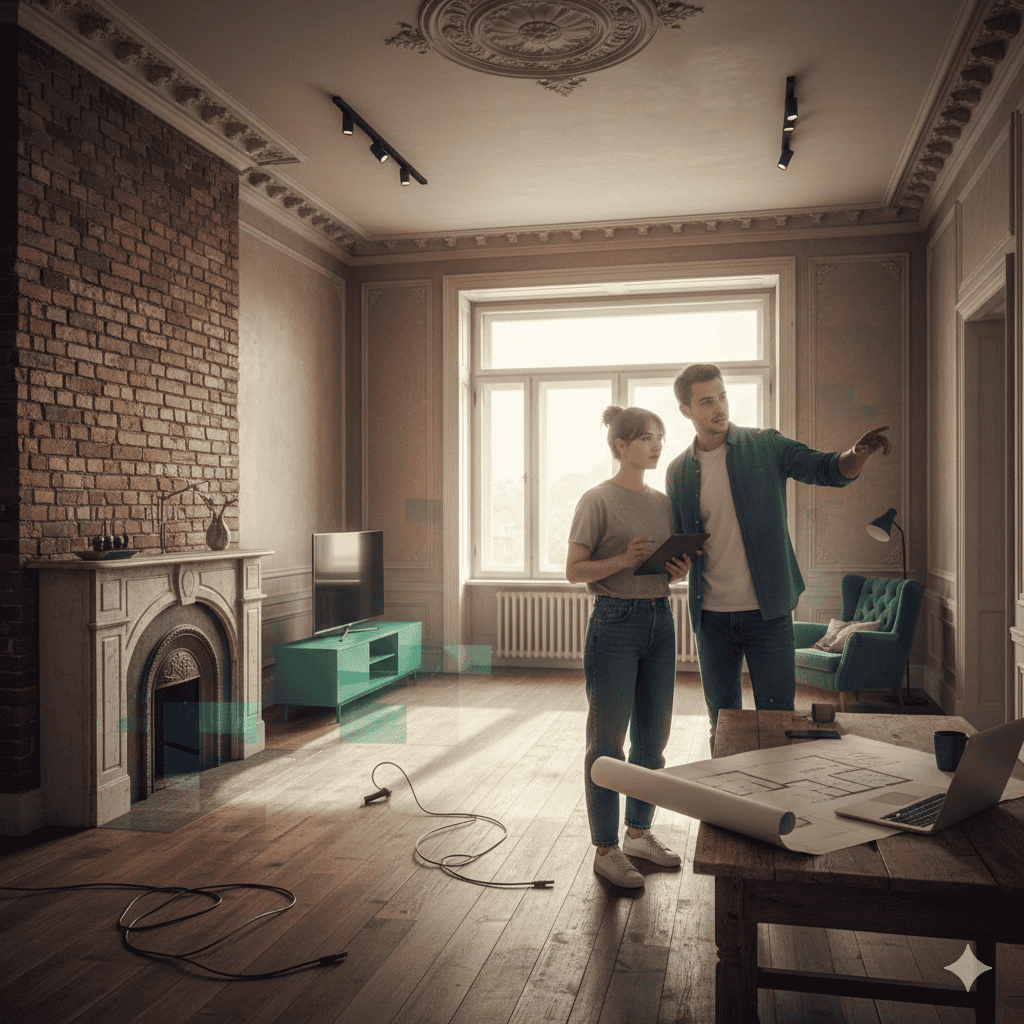
Many older homes possess irreplaceable features, such as original hardwood floors, decorative crown molding, or intricate stained glass windows. While it’s tempting to opt for all-new finishes, a thoughtful approach values restoration over replacement. Refinishing floors, restoring molding, or sourcing period-appropriate replicas can help you retain authenticity while blending in modern touches. These preserved features often become cherished focal points, distinguishing your home from new builds.
Improving Curb Appeal
The exterior of your home sets the first impression on guests and buyers. Simple, cost-effective enhancements, such as a freshly painted front door, new exterior lighting, or revitalized landscaping, make a world of difference. Choose shrubs, flowers, and garden accents that reflect your home’s age and architectural style. Updating your mailbox, house number, or even adding a charming porch swing can further enhance a warm, welcoming entry.
Integrating Smart Home Technology
Blending smart technology into a vintage home enables modern comfort without compromising the architectural character. Many smart systems, including lighting, thermostats, and security cameras, are designed for wireless installation and can be integrated seamlessly. Smart locks offer keyless entry, while smart lights can create customized moods or save energy. These discreet upgrades increase convenience, security, and efficiency for today’s homeowners.
Adapting Layouts for Modern Lifestyles
Older homes often feature compartmentalized layouts that differ from today’s open-plan preferences. If you crave a sense of spaciousness and connectivity, consider consulting with a structural engineer to explore the feasibility of removing non-load-bearing walls. Opening up the kitchen to the dining room, or combining living spaces, enhances natural light and creates fluid, multifunctional areas ideally suited for modern life. These adaptations breathe new life into a historic home, allowing it better to meet the needs of contemporary families and entertaining styles.
Thoughtfully evaluating and updating an older home preserves its history while embracing the comforts and technologies of modern living. Consulting the right professionals, focusing on key improvements, and blending old with new result in a home that’s both unique and highly functional.

