

Table of Contents
- Introduction
- Understanding Mediation
- Understanding Arbitration
- Benefits of Mediation and Arbitration
- Recent Developments in Employment Dispute Resolution
- Choosing the Right Method for Your Dispute
- Conclusion
Employment disputes, including wrongful termination, discrimination, pay issues, and contract disagreements, are common across various industries and can disrupt both employee and employer dynamics. To mitigate these effects, there is an increasing preference for mediation and arbitration as effective alternative dispute resolution (ADR) methods. These processes are valued for their flexibility, confidentiality, and ability to circumvent lengthy legal proceedings, enabling both parties to have a say in the outcomes. Consulting experienced professionals is advisable for anyone dealing with workplace conflicts. For example, Colorado Springs attorneys for employment disputes can offer expert legal guidance, ensuring that both employee and employer rights are protected throughout the dispute resolution process.
Each method—mediation and arbitration—has its own role, structure, and set of advantages in the context of employment law. Understanding how these processes differ and the benefits they provide is crucial for anyone facing a workplace conflict. Both empower employees and employers to reach resolutions tailored to their needs, moving away from the one-size-fits-all outcomes of litigation. Furthermore, staying up-to-date with evolving best practices, recent legal developments, and new programs designed to enhance dispute resolution processes remains essential, as changes in legislation and workplace norms can significantly impact both the procedures and options available.
Understanding Mediation
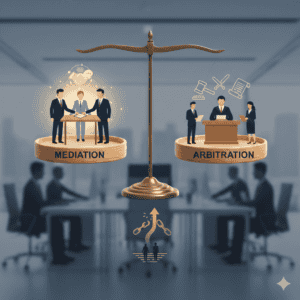
Mediation is a highly collaborative and voluntary process that brings together disputing parties with the help of a neutral third party, known as a mediator. Unlike formal litigation or adversarial legal proceedings, mediation focuses on facilitating open dialogue, encouraging honest communication, and guiding participants toward a mutually acceptable agreement. The mediator does not have the authority to impose a decision; instead, they create a safe space for both parties to express their interests, clarify misunderstandings, and generate ideas for possible resolutions. This interactive and informal atmosphere often enables parties to address both the formal dispute and underlying issues that may be fueling the conflict, leading to more sustainable agreements and healthier workplace relationships.
An essential feature of mediation is confidentiality. Anything discussed or disclosed during mediation cannot be used in subsequent legal proceedings, which gives both employees and employers the confidence to speak frankly, admit mistakes, or propose creative compromises without fear of these discussions being used against them. This protective environment is particularly valuable in complex cases involving sensitive topics like harassment or discrimination, where open communication is essential for reaching meaningful solutions. The ability to preserve professional ties while resolving disputes constructively is a significant reason many organizations now include mediation clauses in their employment policies.
Understanding Arbitration
Arbitration, on the other hand, is typically more formal than mediation, though still far less complex than traditional courtroom litigation. In arbitration, disagreements are presented to a neutral arbitrator or, in some cases, a panel of arbitrators who act similarly to a judge. Each side can present evidence, make arguments, and call witnesses during a private hearing. After hearing from both sides, the arbitrator issues a ruling. The parties agree beforehand whether this decision will be binding—meaning it can be enforced like a court judgment—or non-binding, in which case the decision may serve as a strong recommendation but is not legally compulsory.
The structure of arbitration echoes that of a court trial, but with less rigidity and fewer procedural hurdles. For example, timelines are generally shorter, and the process itself can be customized to address specific needs or constraints. Arbitration is particularly appealing for parties who want to maintain privacy, as these hearings are not open to the public and the decisions are usually not part of public records. Unlike mediation, where the outcome is based on cooperation, arbitration delivers a definitive conclusion, making it suitable for those situations where a final, enforceable answer is necessary and ongoing relationships or creative problem-solving are less critical.
Benefits of Mediation and Arbitration
Choosing alternative dispute resolution methods like mediation and arbitration presents several compelling benefits, especially in contrast to traditional litigation:
- Cost-Effectiveness: Mediation and arbitration almost always result in significant cost savings compared to going to court. Parties can avoid incurring extensive attorney fees, court costs, and the indirect costs associated with lengthy legal battles that can span months or even years.
- Time Efficiency: One of the most essential advantages is speed. ADR processes are designed to bring parties together and resolve issues quickly, which helps minimize workplace disruption and allows everyone to focus on their core responsibilities sooner.
- Confidentiality: Both mediation and arbitration protect sensitive information and preserve the dignity of the parties involved. Since discussions and outcomes remain private, the reputations of both the employer and employee are safeguarded, which is especially important in smaller industries or tight-knit communities.
- Flexibility and Control: Unlike the rigid structure of court judgments, ADR enables parties to shape the process to fit their needs—choosing mediators or arbitrators familiar with their industry, controlling the timeline, and even crafting solutions that a court may not be able to order.
Organizations such as the Society for Human Resource Management (SHRM) regularly highlight these benefits, emphasizing the importance of customized dispute resolution policies that address the specific culture and needs of a workplace.
Recent Developments in Employment Dispute Resolution
The landscape of employment dispute resolution is not static—it evolves in response to workplace trends and legislative action. For instance, recently, the American Arbitration Association (AAA) joined forces with Cornell University’s Scheinman Institute to launch nationwide programs that expand access to skilled labor mediators and arbitrators. These efforts include new training and certification programs, designed to ensure that all parties have access to neutral professionals who understand both the legal complexities and human element of workplace disputes. This growing focus on quality and accessibility is beneficial for both employees and employers, as it helps to establish high standards while accommodating the diversity of modern workplaces.
In parallel, legislative change continues to influence dispute resolution. The Forced Arbitration of Labor Management Disputes Act, also known as the Forced Arbitration Injustice Repeal (FAIR) Act, is currently under consideration in Congress. If passed, this legislation would prohibit requiring employees, consumers, or those with civil rights claims to waive their right to a trial before any dispute or issue arises. In effect, it would open the door for more people to bring essential claims before a court, rather than being forced into arbitration. The FAIR Act reflects a broader push for greater balance and equity in workplace dispute resolution, and legal experts and advocates alike are closely watching its progress.
Choosing the Right Method for Your Dispute
Deciding between mediation and arbitration involves weighing several factors unique to each case. Key considerations include the nature and severity of the dispute, the importance of maintaining a cooperative working relationship, and the desired level of formality or finality in the outcome. Mediation is often preferred for conflicts rooted in misunderstandings, communication breakdowns, or when both parties are interested in preserving goodwill. This process allows more flexibility in addressing concerns beyond just financial compensation, enabling creative solutions and ongoing partnerships.
Arbitration, by comparison, may be more suitable when a straightforward legal question is at the heart of the dispute or when a conclusive and binding decision is needed. Still, parties wish to avoid the glare and burden of going to court. Arbitration can provide a sense of closure—since rulings are often final and enforceable—while protecting privacy and keeping resolution timelines predictable and efficient. Ultimately, whether mediation or arbitration is the better fit will depend on the priorities, goals, and risk tolerance of the parties involved.
Conclusion
Mediation and arbitration represent practical, flexible, and cost-effective alternatives to the traditional litigation process in resolving employment disputes. As legal frameworks and workplace dynamics continue to change, organizations and employees who understand these tools are better positioned to achieve positive, lasting results. Being proactive and informed about the strengths, limitations, and latest developments in mediation and arbitration not only saves resources but also contributes to the cultivation of a healthier, more respectful work environment. For those facing an employment dispute, seeking knowledgeable legal counsel and considering ADR as a first step can make a significant difference in the speed, cost, and effectiveness of the resolution process.
