

Understanding the Foundations of Personal Injury Law in Virginia
 Life can change in an instant. A sudden accident—whether a car collision, a slip and fall, or another unexpected incident—can leave us with serious injuries, mounting medical bills, and a flood of uncertainty. How do we recover lost wages? Who will pay for our medical treatment? How do we hold the responsible party accountable?
These are not just personal challenges; they are significant legal ones. Navigating the aftermath of a personal injury demands more than physical healing. It requires a clear understanding of your rights and the legal avenues available for seeking justice and fair compensation. This complex area of law, commonly known as personal injury law, is specifically designed to protect individuals who have suffered harm due to someone else’s negligence or wrongful actions.
In this comprehensive guide, we aim to demystify the intricacies of personal injury claims. We will explore the fundamental aspects of personal injury law, from defining what constitutes a valid claim to identifying the various types of damages you might recover. Our discussion will also cover the crucial immediate steps to take after an injury, the essential role of expert legal counsel, and how key legal principles, such as negligence, directly impact your case. Our goal is to empower you with the knowledge needed to confidently approach your personal injury claim and make informed decisions about your future.
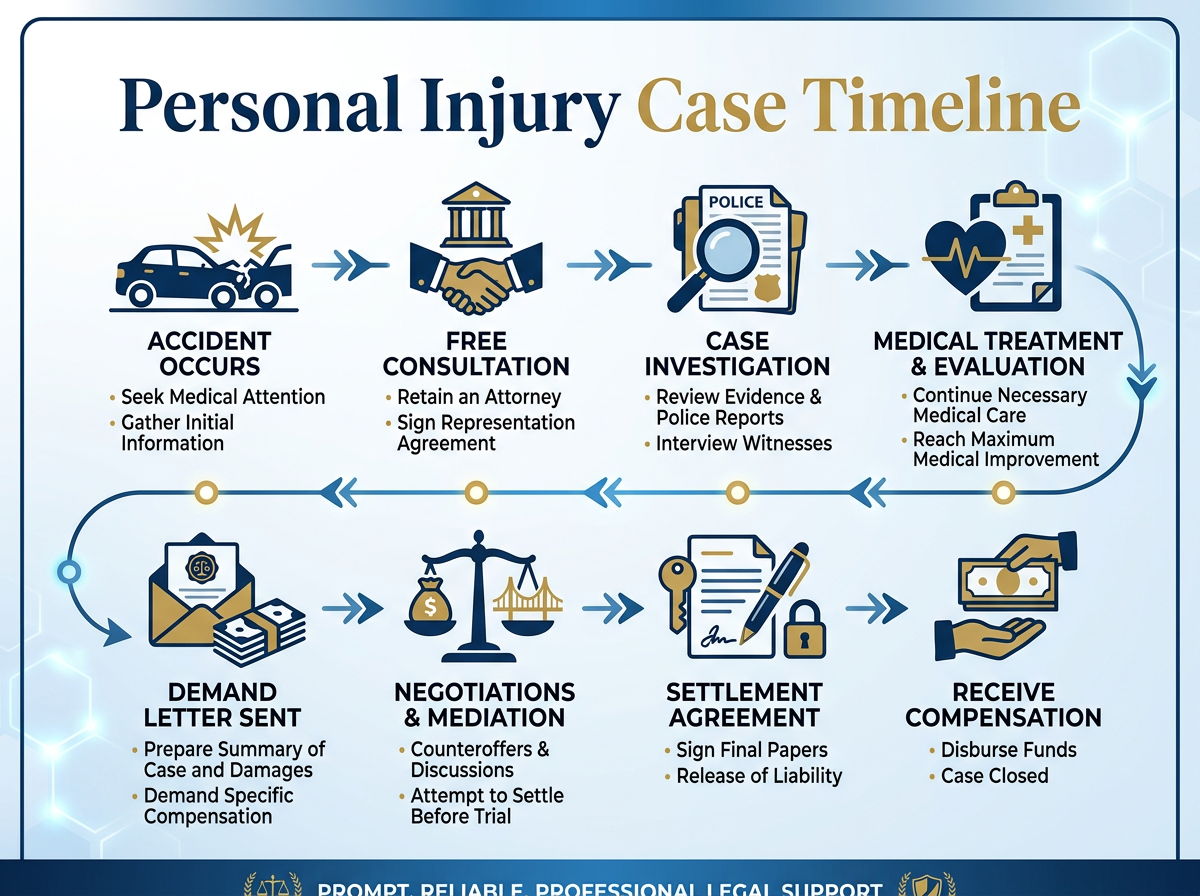
Personal injury law, often referred to as tort law, forms the bedrock of civil litigation aimed at compensating individuals for harm suffered due to the actions or inactions of others. At its core, personal injury law distinguishes itself from property law by focusing on injuries to a person’s body, emotions, or reputation, rather than damage to their possessions. This broad definition means that a personal injury claim can arise from a wide spectrum of incidents, from physical trauma in an accident to psychological distress caused by another’s wrongdoing.
In Virginia, as in many states, the legal system is designed to provide a pathway for injured parties, known as plaintiffs, to seek remedies from those responsible, the defendants. This often involves demonstrating that the defendant owed a legal duty of care to the plaintiff and subsequently breached that duty, directly leading to the plaintiff’s injuries. The specifics of how these cases proceed can vary depending on the jurisdiction within Virginia, from the bustling courtrooms of Fairfax County to the historic halls of the Richmond Circuit Court. Understanding these foundational principles is the first step toward navigating a personal injury claim effectively. For those in Northern Virginia seeking dedicated legal support, connecting with a Caring Northern VA personal injury lawyer can provide invaluable guidance through this intricate process.
Proving Liability Under Personal Injury Law
Establishing liability is paramount in any personal injury claim. This involves demonstrating that another party is legally responsible for the harm you have suffered. The most common basis for personal injury claims is negligence, which requires proving several key elements:
- Duty of Care: The defendant owed a legal duty to exercise reasonable care towards the plaintiff. For instance, drivers owe a duty to other road users to operate their vehicles safely. Property owners have a duty to maintain safe premises for visitors.
- Breach of Duty: The defendant failed to uphold that duty of care. This could be a driver texting while driving, a store owner neglecting to clean a spill, or a doctor failing to meet the accepted standard of medical care.
- Causation (Actual and Proximate): The defendant’s breach directly caused the plaintiff’s injuries (actual causation), and the harm was a foreseeable consequence of the breach (proximate causation). For example, if a distracted driver runs a red light and collides with another car, causing injuries, their distraction is the actual cause, and the collision is a foreseeable outcome.
- Damages: The plaintiff suffered actual, quantifiable harm or losses as a result of the injury. These damages can include medical expenses, lost wages, and pain and suffering.
Beyond negligence, personal injury claims can also be based on other legal grounds:
- Intentional Torts: These involve deliberate actions that cause harm, such as assault, battery, or false imprisonment. While criminal charges may also apply, intentional torts allow victims to seek civil damages for their injuries.
- Strict Liability: In certain situations, a defendant can be held liable for injuries regardless of their intent or negligence. This most commonly applies to cases involving defective products (where manufacturers are held responsible for harm caused by their unsafe goods) or, in some states, animal attacks like dog bites. Proving liability under these circumstances often benefits from the specialized knowledge of legal professionals dedicated to Board-Certified personal injury law, who understand the nuances of these complex legal doctrines.
Effective evidence collection, including medical records, witness testimonies, accident reports, and expert opinions, is crucial for building a strong case and proving each of these elements.
Statutory Deadlines in Personal Injury Law
Time is a critical factor in personal injury claims. Every jurisdiction imposes a “statute of limitations,” which is a strict deadline for filing a lawsuit after an injury occurs. In Virginia, for most personal injury cases, this period is generally two years from the date of the injury. Missing this deadline typically means forfeiting your right to pursue compensation, regardless of the merits of your case.
However, several exceptions and nuances can affect this timeline:
- Government Entities: If your claim is against a government agency (such as a city, county, or state entity), the notice of claim requirements and filing deadlines can be significantly shorter, sometimes as little as six months.
- Minors: For injuries sustained by minors, the statute of limitations may be “tolled” or paused until the child reaches the age of majority.
- Discovery Rule: In cases where an injury or its cause is not immediately apparent, such as certain medical conditions resulting from exposure to a toxic substance, the clock may start ticking from the date the injury was discovered or reasonably should have been discovered.
It is essential to understand these jurisdictional rules, whether your case is in Richmond, Alexandria, or any other part of the Commonwealth. Given the complexities, consulting legal professionals promptly after an injury is always advisable. For a more detailed understanding of these critical timelines and other state-specific regulations, we encourage you to review our comprehensive Virginia Personal Injury Law guide.
Common Grounds for Filing a Claim in the Commonwealth
Personal injury claims arise from a wide array of incidents where one party’s negligence or wrongful act causes harm to another. In Virginia, we frequently encounter several common types of cases:
Motor Vehicle Accidents: These are among the most prevalent personal injury claims. They encompass everything from standard car accidents to more severe incidents involving tractor-trailer collisions and motorcycle accidents. Distracted driving, speeding, impaired driving, and general negligence are frequent causes. The aftermath often involves significant property damage, serious injuries, and complex insurance negotiations. According to recent reports, over 250,000 injuries resulted from crashes in Florida alone in a recent year, highlighting the widespread nature of such incidents.
Premises Liability: Property owners and occupiers have a legal duty to maintain their premises safely for visitors. When they fail to do so, and someone is injured, a premises liability claim may arise. Common examples include slip and fall incidents due to wet floors, uneven surfaces, inadequate lighting, or insufficient security leading to assaults.
Medical Malpractice: Healthcare professionals are held to a high standard of care. When a doctor, nurse, hospital, or other medical provider deviates from this accepted standard, and that deviation causes injury or death to a patient, it can lead to a medical malpractice claim. These cases can be highly complex, often involving expert testimony to establish the standard of care and its breach. Scenarios at major medical centers like Inova Fairfax Hospital or VCU Medical Center, while rare, can sometimes give rise to such claims.
Nursing Home Neglect: Sadly, vulnerable residents in nursing homes can become victims of neglect or abuse. These claims often involve issues such as bedsores, malnutrition, dehydration, falls, medication errors, or physical and emotional abuse, all stemming from a failure to provide adequate care.
Dog Bites and Animal Attacks: While specific laws vary by state, some jurisdictions impose strict liability on dog owners for injuries caused by their animals, regardless of whether the dog had a prior history of aggression. In Virginia, the law generally follows a “one-bite rule” initially, meaning the owner may be liable if they knew or should have known their dog was dangerous. However, even without prior knowledge, negligence can still be proven if the owner failed to control their animal responsibly.
Here is a general overview of common injury types and their typical recovery sources:
Injury Type Common Causes Typical Recovery Sources Motor Vehicle Accidents Distracted driving, speeding, DUI, reckless driving Auto insurance (at-fault driver, uninsured motorist) Slip and Fall Wet floors, uneven surfaces, poor lighting, debris Property owner’s liability insurance Medical Malpractice Surgical errors, misdiagnosis, medication errors Medical malpractice insurance, hospital liability Dog Bites Owner negligence, lack of restraint Homeowner’s insurance, animal liability insurance Workplace Injuries Unsafe conditions, equipment failure, negligence Workers’ Compensation, third-party liability insurance Wrongful Death Any fatal incident due to negligence At-fault party’s insurance, personal assets Navigating the Strict Rule of Contributory Negligence
One of the most distinctive and challenging aspects of personal injury law in Virginia is its adherence to the doctrine of contributory negligence. This rule stands in stark contrast to the “comparative negligence” systems adopted by most other states and profoundly impacts a plaintiff’s ability to recover compensation.
Under Virginia’s strict contributory negligence rule, if an injured party is found to be even 1% at fault for the accident that caused their injuries, they are completely barred from recovering any damages from the other at-fault party. This “1% fault rule” means that any contribution, no matter how minor, to the cause of the incident can lead to a total loss of the claim. For example, if a pedestrian is hit by a speeding car but is found to have been jaywalking, even if the driver was primarily at fault, the pedestrian might be unable to recover any compensation. This makes Virginia one of only a handful of jurisdictions that still uphold such a stringent standard.
This strict rule significantly influences defense strategies and insurance company tactics. Insurance adjusters and defense attorneys will meticulously investigate every detail of an accident, searching for any evidence that could attribute even a small percentage of fault to the plaintiff. Their goal is often to shift blame, however slight, to avoid paying out a claim. This tactic underscores the critical importance of having an experienced legal team on your side. Professionals well-versed in Board-Certified personal injury law are adept at anticipating these defense arguments and proactively gathering evidence to counter them.
Overcoming defense arguments rooted in contributory negligence requires a thorough understanding of the law, meticulous evidence collection, and skilled advocacy. This includes:
- Establishing Sole Negligence: Demonstrating unequivocally that the defendant was solely responsible for the accident.
- Disproving Plaintiff’s Fault: Presenting evidence to show that the plaintiff acted reasonably and did not contribute to the cause of the injury.
- Identifying Exceptions: Exploring potential exceptions to the rule, such as “last clear chance” (where the defendant had the last opportunity to avoid the accident despite the plaintiff’s negligence) or “gross negligence” on the part of the defendant.
The complexities of this rule are particularly evident in cases such as pedestrian accidents in urban areas like Arlington, where multiple factors can contribute to an incident. Given the potentially devastating impact of contributory negligence on a personal injury claim, understanding its implications is crucial for anyone pursuing compensation in the Commonwealth. For a deeper dive into how this unique Virginia law could affect your case, we recommend exploring our detailed guide on Contributory Negligence Virginia.
Recoverable Damages in Personal Injury Law
When a personal injury claim is successful, the injured party is entitled to recover various types of damages. The goal of these damages is generally to “make the plaintiff whole” again, meaning to compensate them for their losses and restore them to their pre-injury condition as much as possible. Damages are typically categorized as economic, non-economic, and, in some rare instances, punitive.
Economic Losses (Special Damages): These are quantifiable financial losses directly resulting from the injury. They are often easier to calculate because they come with receipts, bills, or clear financial statements. Common examples include:
- Medical Bills: Past and future expenses for doctor visits, hospital stays, surgeries, medications, rehabilitation, physical therapy, and assistive devices.
- Lost Wages: Income lost due to time off work for recovery, appointments, or disability.
- Loss of Future Earning Capacity: Compensation for the reduction in a person’s ability to earn income over their lifetime due to permanent injuries or disabilities.
- Property Damage: Costs to repair or replace damaged property, such as a vehicle in a car accident.
- Household Assistance: Expenses incurred for services like cleaning, cooking, or childcare that the injured person can no longer perform.
Non-Economic Damages (General Damages): These damages compensate for intangible losses that are subjective and more challenging to assign a precise monetary value. However, they are often a significant component of a personal injury award.
- Pain and Suffering: Compensation for the physical pain and discomfort experienced as a result of the injury.
- Emotional Anguish/Mental Suffering: This includes psychological impacts such as anxiety, depression, fear, PTSD, and stress caused by the injury or the accident.
- Loss of Enjoyment of Life: Damages for the inability to participate in hobbies, recreational activities, or daily routines that were once enjoyed.
- Disfigurement: Compensation for scarring, permanent physical changes, or loss of a limb that affects appearance and self-esteem.
- Loss of Consortium: In cases of severe injury or wrongful death, this compensates a spouse for the loss of companionship, affection, and intimate relations.
Punitive Damages: Unlike economic and non-economic damages, punitive damages are not intended to compensate the victim. Instead, they are awarded to punish the defendant for particularly egregious or malicious conduct and to deter similar behavior in the future. Punitive damages are rare and typically reserved for cases involving gross negligence, willful misconduct, or intentional harm. Some states, including Florida, cap the amount of punitive damages that can be awarded.
Calculating and proving the full extent of these damages requires careful documentation and often the expertise of medical and financial professionals. An experienced legal team can help identify all potential losses and advocate for the maximum possible compensation. For more insights into the process of securing fair compensation, our guide on working with a Personal Injury Settlement Attorney offers valuable information.
The Strategic Role of Legal Counsel in Negotiations
The journey through a personal injury claim often involves extensive negotiations, primarily with insurance companies. It’s a common misconception that most personal injury cases end up in a courtroom trial. In reality, only a small percentage of personal injury actions ever go to trial; most settle before trial after discovery. This statistic underscores the critical role of skilled legal counsel in the negotiation process.
Insurance adjusters, while seemingly helpful, represent the insurance company’s interests, which are often at odds with yours. Their primary objective is to minimize payouts to protect their company’s bottom line. Without legal representation, injured individuals may find themselves at a significant disadvantage, accepting lowball offers that do not adequately cover their current and future losses.
An experienced personal injury attorney brings several strategic advantages to the negotiation table:
- Expert Valuation: We possess the knowledge and resources to accurately value your claim, taking into account all economic and non-economic damages, including future medical costs and lost earning potential. This often involves coordinating with medical experts, vocational specialists, and forensic accountants, especially for business owners whose income may be complex to calculate.
- Demand Letters: We prepare comprehensive demand letters that meticulously detail your injuries, losses, and the legal basis for your claim, supported by compelling evidence.
- Negotiation Leverage: Insurance companies are more likely to take a claim seriously when presented by an attorney who is prepared to go to trial if a fair settlement cannot be reached. Our litigation experience provides significant leverage in these discussions.
- Mediation and Arbitration: If direct negotiations stall, we can guide you through alternative dispute resolution methods like mediation (where a neutral third party helps facilitate a settlement) or arbitration (where a neutral third party makes a binding decision). These methods can often lead to quicker and less costly resolutions than a full trial.
One of the most significant benefits of hiring a personal injury lawyer is the contingency fee structure. This means you pay no upfront costs for legal services. Instead, your attorney’s fees are a percentage of the final settlement or court award. If we don’t win your case, you typically owe no attorney fees. This arrangement ensures that legal representation is accessible to everyone, regardless of their financial situation, and aligns our interests with yours – we only get paid if you do. For a comprehensive understanding of how these fee arrangements work, our Personal Injury Attorney Fees Complete Guide provides valuable insights.
Frequently Asked Questions about Virginia Personal Injury Law
Navigating the legal landscape after an injury can be daunting. Here, we address some common questions about personal injury law in Virginia.
What is the statute of limitations for an injury claim in Virginia?
Virginia law generally requires a lawsuit to be filed within two years from the date of the injury. However, it’s crucial to be aware that shorter deadlines, sometimes as brief as six months, may apply when seeking damages from a town, city, or county government. There are also specific exceptions for minors or cases where the injury wasn’t immediately discoverable. Acting quickly to consult with legal counsel is always recommended to ensure your rights are protected.
How does contributory negligence affect my case?
Virginia is one of the few jurisdictions that follows a strict contributory negligence rule. This means that if a plaintiff is found even 1% responsible for the accident that caused their injuries, they are legally barred from recovering any compensation. This makes it incredibly challenging for injured parties to win a claim if they bear any fault, no matter how minor. It underscores the absolute necessity of proving the defendant’s sole negligence and having an attorney who can skillfully navigate this stringent legal standard.
What are the benefits of a contingency fee arrangement?
A contingency fee allows injured individuals to hire experienced legal counsel without paying hourly rates or upfront retainers. Under this arrangement, the attorney only receives a percentage of the final settlement or court award. If the case is not won, the client typically owes no attorney fees. This structure makes quality legal representation accessible to everyone, removes financial barriers, and ensures that the attorney’s interests are directly aligned with achieving the best possible outcome for the client.
Conclusion
Experiencing a personal injury can be a life-altering event, presenting not only physical and emotional challenges but also significant legal hurdles. Understanding the fundamentals of personal injury law, from establishing liability and navigating statutory deadlines to comprehending the various types of recoverable damages, is crucial for anyone seeking justice and fair compensation.
In a state like Virginia, with its unique contributory negligence rule, the complexities are amplified, making expert legal advocacy not just beneficial, but often essential. We believe that every injured individual deserves dedicated representation to navigate the intricacies of the Virginia justice system, challenge insurance companies, and maximize their recovery.
Our approach to personal injury law is rooted in a commitment to our clients, ensuring that their voices are heard and their rights are vigorously protected. For a deeper understanding of how we can assist you, we invite you to learn more about Our Approach to Personal Injury Law in Virginia. If you or a loved one has been injured due to another’s negligence, we encourage you to explore our comprehensive Personal Injury Claim Complete Guide to empower yourself with knowledge and take the necessary steps to protect your future interests.
