

Key Takeaways
- Small businesses must proactively identify and address various risks to ensure sustainability.
- Implementing strategic measures can help mitigate potential threats and capitalize on opportunities.
- Staying informed about emerging trends and challenges is essential for effective risk management.
Table of Contents
- Economic Uncertainties
- Technological Advancements
- Cybersecurity Threats
- Supply Chain Disruptions
- Regulatory Changes
- Talent Acquisition and Retention
- Customer Relationship Management
- Conclusion
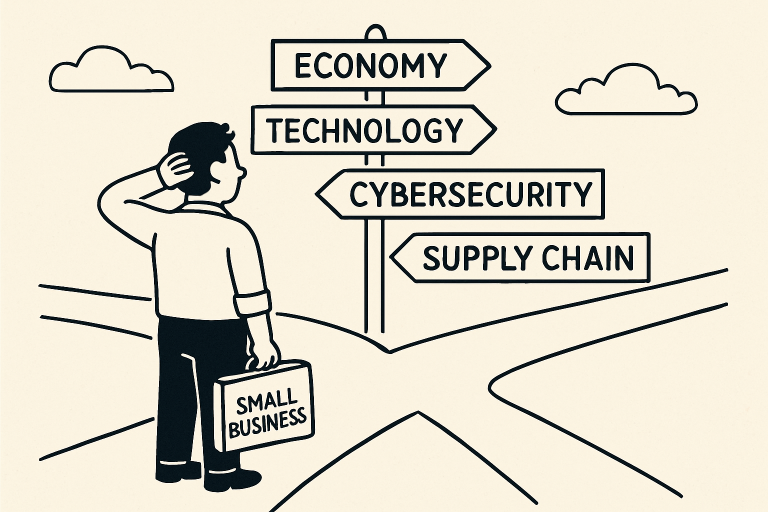
Small businesses today operate in an environment filled with rapid shifts and unforeseen challenges. Navigating this landscape requires agile thinking, resilience, and a proactive approach to risk management. Entrepreneurs must evaluate threats ranging from economic turmoil to technological shifts, while also preparing for the unexpected. A crucial aspect to building a resilient foundation involves exploring business insurance options that can protect your venture against potential setbacks and losses, further ensuring stability no matter what the future holds.
Successful small business owners recognize the importance of adapting risk management strategies, staying informed on market trends, using the right technology, and investing in staff development to remain competitive. Effective risk management helps identify vulnerabilities, anticipate challenges, and implement mitigation, which can differentiate between thriving and merely surviving. It not only guards against risks but also uncovers opportunities, protects reputation, and leverages competitive advantages, whether adapting to regulations or building customer loyalty. A structured risk approach aids sustainable growth in an ever-changing environment.
Economic Uncertainties
Unpredictable market cycles, inflation, and shifting consumer demand can significantly disrupt revenue streams and growth for small businesses. To navigate these uncertainties smartly, business owners should:
- Regularly scrutinize and update pricing models to remain attractive to customers while covering costs.
- Negotiate favorable deals with suppliers, especially during times of fluctuating material prices.
- Utilize automation tools to cut operational costs and safeguard profit margins.
These actions help maintain a stable footing through both boom and bust cycles, ensuring adaptability no matter the economic climate.
Technological Advancements
Staying competitive requires not just keeping pace with change, but often taking the lead in adopting new tools that enhance efficiency and foster innovation. Small businesses can benefit from integrating advancements such as artificial intelligence (AI), machine learning, and cloud-based platforms to streamline processes and improve service delivery. Additionally, investing in staff development through ongoing training in these emerging technologies cultivates a future-ready workforce. Regularly scouting for new technologies helps uncover growth opportunities and anticipate shifts within the industry. Overall, investing in technology equates to investing in the company’s future, enabling new efficiencies and expanded market potential.
Cybersecurity Threats
The increasing reliance on digital operations has led to a notable rise in exposure to various cyber-attacks, including phishing schemes and ransomware. Small businesses frequently fall prey to these threats due to their perceived vulnerabilities. To strengthen defenses against such attacks, organizations must implement a comprehensive risk management program that encompasses the entire digital landscape. Regular system audits and updates should be scheduled to identify and rectify potential vulnerabilities, as well as to monitor for any breaches. Additionally, it is crucial to ensure that every staff member is well-informed about their role in maintaining digital security, which can be achieved through ongoing training sessions.
Supply Chain Disruptions
To effectively manage supply chain disruptions caused by events such as natural disasters, trade disputes, or pandemics, it is essential to adopt a multifaceted strategy. First, diversifying the supplier base is critical; this involves creating redundancy in procurement channels, which serves as a buffer against potential supply chain disruptions. Second, organizations should develop comprehensive contingency plans that outline detailed response steps for anticipated disruptions, ensuring they are ready to address challenges as they arise. Additionally, maintaining open and consistent communication with supply partners is vital for preventing unexpected issues and enabling collaborative problem-solving during crises. By employing these tactics, businesses can enhance their supply chain resilience, ensuring greater continuity and reliability amid turbulent circumstances.
Regulatory Changes
Compliance is a continuous and vital process integral to maintaining uninterrupted organizational operations, especially in sectors affected by rapid regulatory changes related to technology, health, and environmental issues. Key strategies for effective compliance management include regularly monitoring industry-specific regulatory news through subscriptions to relevant newsletters and alerts, seeking guidance from legal experts in business law to make timely adjustments to organizational policies, and incorporating compliance training into both onboarding processes and ongoing professional development programs. Implementing these measures helps mitigate risks associated with non-compliance fines and safeguards the company’s reputation within the marketplace.
Talent Acquisition and Retention
To attract and retain the right talent, small business leaders face significant challenges that require strategic approaches. Key strategies include offering competitive compensation, creating flexible pathways for employee growth, and cultivating a healthy and inclusive workplace culture. Strengthening the employer brand is also crucial; sharing behind-the-scenes stories, celebrating employee achievements, and highlighting the company’s unique mission through social media can help in this regard. Additionally, it is essential to cultivate a positive and empowering work environment where employees feel heard and supported. When employees are well-supported, they contribute more effectively, drive innovation, and help the business adapt to new challenges.
Customer Relationship Management
Loyal customers are essential for small businesses, necessitating sustained efforts to cultivate their relationships. Effective strategies encompass actively soliciting and integrating customer feedback to enhance products and services, personalizing marketing and communication to ensure customers feel appreciated, and delivering prompt, respectful, and reliable customer service through all available channels. By placing a high value on customers throughout their journey, businesses can foster retention, garner positive reviews, and stimulate organic growth through word-of-mouth referrals.
Conclusion
Small businesses poised for long-term growth do more than simply react to change—they anticipate, strategize, and implement risk management solutions before issues arise. By proactively addressing risks ranging from economic uncertainty to emerging technology and customer relations, they lay the groundwork for resilience and success. Adopting best practices and staying informed are key ingredients in thriving amid uncertainty, allowing business owners to turn every challenge into an opportunity for growth and innovation.
