

Table of Contents
- Open-Plan Living
- Multi-Functional Furniture
- Vertical Storage Solutions
- Outdoor Living Extensions
- Smart Home Technology
- Flexible Room Designs
- Sustainable Building Practices
- Conclusion
As urban living continues to grow in popularity, homeowners increasingly seek smart ways to make their homes feel larger and more comfortable without relying solely on major renovations. By leveraging design innovations and rethinking existing space, individuals can often transform their homes for improved utility and enjoyment. Whether the goal is to enhance daily living or improve property value, effective solutions are available through open-plan layouts, multifunctional furniture, and seamless technology integration. For those considering more significant updates, such as home additions, these innovations can serve as inspiration or as complementary strategies.
Modern design emphasizes flexibility and creative use of both indoor and outdoor spaces. Homeowners are reimagining traditional room functions and experimenting with adaptable furnishings to make the most of every square foot. Even subtle changes can make a substantial difference in how space is perceived and used, enabling greater comfort and greater efficiency.
Many people also consider upgrading specific rooms to unlock a home’s full potential. For example, kitchen remodeling can dramatically change how a space functions and feels, adding both beauty and practicality to the home.
Open-Plan Living
Open-plan living remains a leading way to enhance the sense of spaciousness in homes. By removing non-structural walls and connecting spaces such as the kitchen, dining, and living areas, homeowners make the interior feel larger, brighter, and more social. This approach allows for natural light to flow throughout the main living areas, making even smaller homes appear airy and inviting. According to Architectural Digest, open-plan homes foster stronger family connections and adapt well to modern lifestyles that prioritize flexibility.
Multi-Functional Furniture
Multi-functional furniture is another valuable solution, particularly for smaller homes or apartments. Pieces such as sofa beds, nesting tables, and storage ottomans save significant space by performing double duty. A foldaway dining table, for example, allows a single room to convert from dining to working or entertaining with minimal effort. By selecting streamlined furniture with hidden storage or adaptable designs, individuals prevent clutter and ensure each room has maximum versatility without feeling crowded.
Vertical Storage Solutions
When floor space is at a premium, making use of vertical surfaces is vital. Floor-to-ceiling shelving, wall-mounted cabinets, and hanging organizers can greatly increase storage capacity while keeping walkways open. In kitchens and bathrooms, for example, installing additional shelving above doorways or using pegboards can optimize every inch. This not only reduces clutter but can also draw the eye upward, visually enlarging the room. For more inspiration, House Beautiful offers creative vertical storage ideas suitable for every design style.
Outdoor Living Extensions
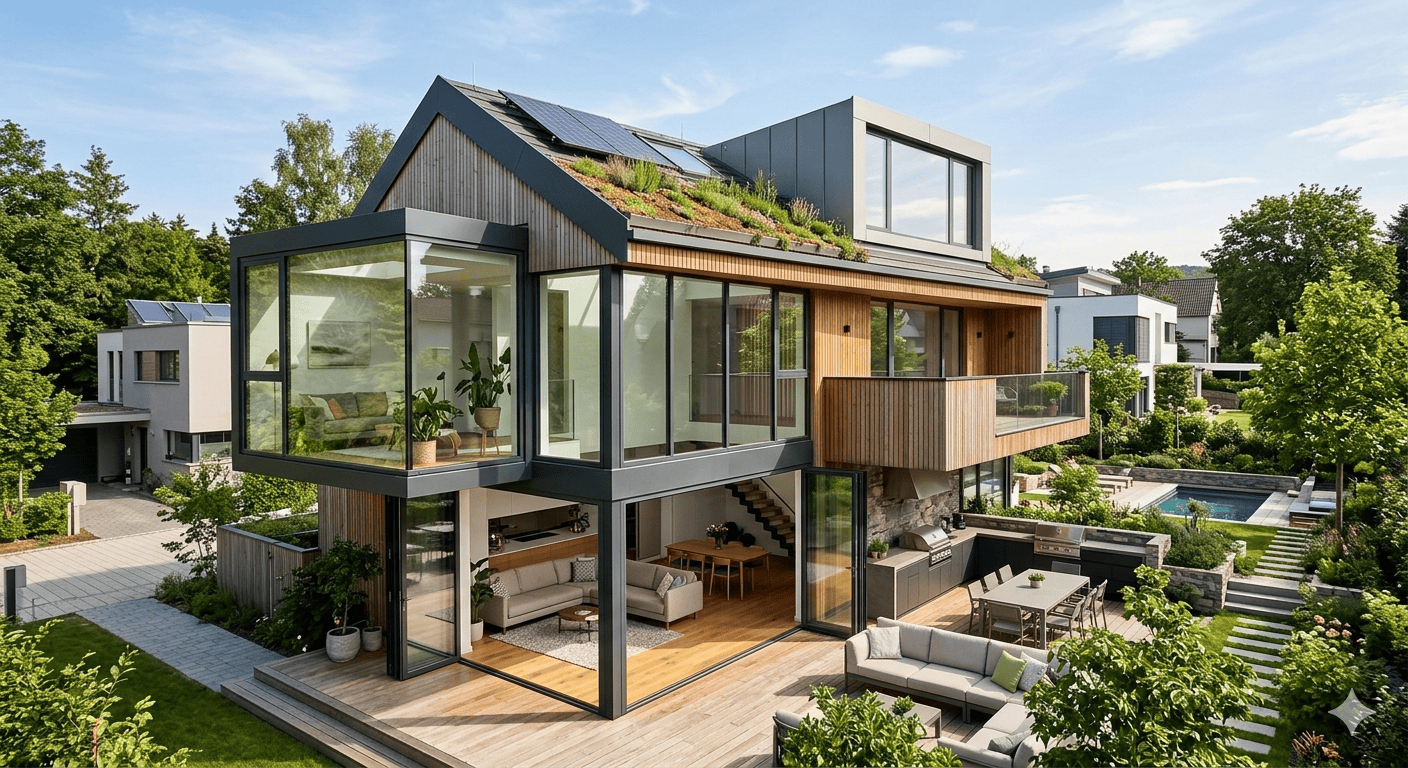
Expanding living space outdoors is a practical and often underutilized option. Well-designed decks, patios, and outdoor kitchens create additional areas for relaxation, dining, and socializing. Consider using sliding or accordion doors to blur the boundary between inside and outside, making the transition seamless and greatly increasing usable square footage during warmer months. Outdoor living spaces can even be customized for year-round use with weather-resistant furnishings, adjustable shading, and heaters.
Smart Home Technology
Integrating smart home technology helps optimize both the functionality and convenience of modern homes. Automated lighting systems, voice-controlled assistants, climate control, and advanced security features allow users to manage their environment with ease. For example, smart thermostats can learn daily routines and adjust temperatures to enhance comfort and reduce energy waste. According to Wirecutter, a New York Times brand, these upgrades not only make homes more efficient but also increase their long-term value.
Flexible Room Designs
Flexible room design responds to changing family needs by incorporating movable partitions, sliding walls, or modular furniture. Rooms can easily shift between uses, such as a home office, a guest room, or a play area. This adaptability means that the same space serves different purposes over time, especially important in homes where square footage is limited or expensive. Even larger households can benefit by transforming formal spaces into multipurpose areas that suit a range of activities.
Sustainable Building Practices
Embracing sustainability has dual benefits: improving home efficiency and reducing environmental impact. Using reclaimed materials, installing low-emissivity windows, and adding high-quality insulation are just a few steps toward a greener home. Energy-efficient appliances, low-flow plumbing fixtures, and solar panels can further reduce utility costs while ensuring modern comfort. Government and nonprofit organizations, such as the Environmental Protection Agency, provide resources and tips to help make homes more environmentally responsible.
Conclusion
Modern living doesn’t always require expanding your home’s physical size to achieve a more open and comfortable feel. By reimagining layouts, choosing multifunctional and adaptable furniture, and incorporating smart storage solutions, homeowners can maximize every square foot. Integrating modern technology, such as space-saving appliances and smart home systems, further enhances efficiency and convenience. With thoughtful planning and innovative design, it’s possible to create spaces that are not only functional and visually appealing but also sustainable, allowing homes to support better the changing needs and lifestyles of today’s homeowners.

