

Key Takeaways
- Recognize the impact of strategic link prospecting on SEO outcomes
- Identify and prioritize quality link opportunities using established metrics
- Leverage search operators and automation tools to scale your efforts efficiently
- Adopt best practices for outreach, communication, and relationship management
Creating an effective link prospecting system is a cornerstone for advancing your website’s visibility and search engine rankings. By having a strategic process in place, you can identify and secure backlinks that significantly boost your authority. Whether you’re new to SEO or looking to refine your link-building approach, understanding the core elements of prospecting, from defining target metrics to leveraging advanced tools, will help you stand out. For a detailed step-by-step approach, explore this comprehensive link prospecting guide as a supplemental resource to deepen your knowledge.
Building a sustainable backlink strategy involves more than simply chasing as many links as possible; quality, relevance, and relationship-building are also critical. By refining your process and utilizing the appropriate set of tools and criteria, you can uncover valuable opportunities and establish lasting partnerships within your industry. Link prospecting is not a one-time task but an evolving system that requires ongoing monitoring and refinement to remain effective in the dynamic world of SEO.
Understanding Link Prospecting
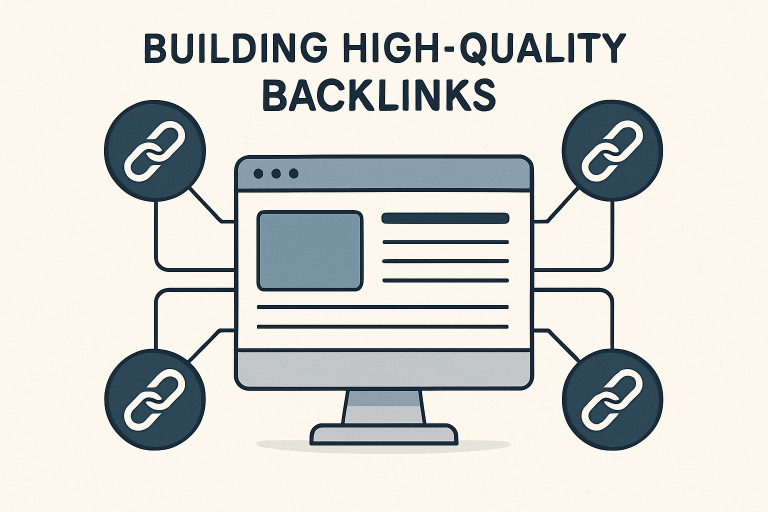
Link prospecting is the ongoing process of identifying websites that have the potential to link back to your digital content. This is a crucial practice because search engines like Google use backlinks as a significant ranking factor, viewing each link as a vote of confidence in your site’s credibility. An effective link prospecting strategy ensures that you’re targeting reputable, relevant sources, driving both referral traffic and improved ranking positions.
Successful prospecting means not just going after any link but focusing on those that genuinely enhance your website’s subject authority. Prospects should align with your niche, your target audience, and provide real value to site visitors—making a thoughtful selection essential.
Defining Your Target Metrics
Setting clear objectives and qualification criteria is vital before diving into prospecting. Here are the most important metrics to use when evaluating link opportunities:
- Domain Authority (DA): This industry-standard metric, developed by Moz, indicates the relative strength and trustworthiness of a website. Higher DA generally equates to more valuable backlinks.
- Organic Traffic: The number of users visiting a site from search engines is a direct signal of the site’s visibility and relevance. Use tools like SEMrush or Ahrefs to gauge these numbers for your prospects.
- Relevance: Linking domains should closely align with your niche or industry. A backlink from a related source has far greater value than one from an unrelated site.
By setting these standards upfront, you direct your energy toward the most impactful, sustainable link sources, eliminating distractions from low-value opportunities.
Utilizing Advanced Search Operators
One of the most efficient ways to narrow down potential link sources is by using advanced Google search operators. For example, searching intitle:"write for us" + [your niche] will surface relevant sites that accept guest contributors in your field. Tailoring your queries using a mix of operators—such as site:, inurl:, and intitle:—enables you to mine search engines for otherwise hidden opportunities. For more in-depth strategies, Moz offers a comprehensive guide on advanced search operators that can boost your efficiency.
Leveraging Competitor Backlinks
Competitor analysis remains one of the most reliable tactics for uncovering new link prospects. By checking which domains already link to your competitors, you can build a curated list of potential prospects who have shown a willingness to link to similar content. Tools like Ahrefs, Moz, and SEMrush make it easy to analyze backlink profiles and identify links your competitors have, but you don’t. Review the linking pages for both quality and context—if your content adds more value or a new perspective, there’s a strong likelihood you could secure a placement, too.
Building and Managing Your Prospect List
Organization is the foundation of effective outreach. Create a master spreadsheet to track potential opportunities, with fields for website URL, DA, relevance score, contact details, outreach status, and notes. This makes follow-up and ongoing campaigns much easier to manage, ensuring that no opportunity slips through the cracks. Tools like Google Sheets or Airtable are commonly used due to their collaborative features and flexibility.
Crafting Personalized Outreach
The success of your link prospecting system hinges on the quality of your outreach. Generic, templated emails often go ignored, while personal, value-based messages are far more likely to receive positive responses. Use these guidelines for effective outreach:
- Always address the recipient by name for a personal touch
- Mention a recent article, resource, or project from their website to demonstrate genuine interest
- Clearly communicate how your content is relevant and why linking to it benefits both parties
For more best practices on writing impactful outreach emails, refer to this SEO guide.
Utilizing Automated Tools
Scaling your prospecting and outreach is easier with the help of automation platforms. Tools like BuzzStream and Pitchbox are invaluable for handling larger lists, keeping outreach organized, automating follow-ups, and tracking replies. Automation helps free up your time for relationship-building and strategic tasks, while ensuring no lead is forgotten.
Monitoring and Refining Your Strategy
Continuous improvement is at the heart of a successful link prospecting program. Regularly review your response rates, the quality and quantity of acquired backlinks, and the evolution of your website’s search rankings. Use these insights to refine your outreach templates, adjust your targeting criteria as needed, and adopt new tactics as the link-building landscape evolves. Staying agile and data-driven ensures your system’s long-term results and keeps you ahead of SEO trends.
Implementing these steps will empower you to develop a high-quality link prospecting system, resulting in more authoritative backlinks, stronger search engine performance, and sustainable online growth.
