

Key Takeaways
- Spring and early summer are peak seasons for real estate activity, marked by higher inventory and elevated prices as demand surges.
- Late summer often brings a slight market pause, creating room for negotiation and potentially softer pricing.
- Fall and winter tend to be a buyer’s market, with less competition but limited inventory.
- Regional climates and broader shifts, such as those influenced by the pandemic, can disrupt traditional seasonal trends.
Understanding how the seasons affect the real estate market is essential for anyone looking to buy or sell a home. Changes in weather, daylight hours, and community rhythms can all influence buyer behavior, inventory levels, and property pricing. Whether you’re considering a move this year or making long-term plans, knowing when to enter the market can make a significant difference in your experience and your outcomes. For those looking for opportunities in mountain communities, exploring Tahoe City Homes for Sale during certain seasons can reveal the best deals and most appealing properties. Being aware of these patterns helps you plan your buying or selling strategy with confidence.
Seasonal trends shape much more than just the timing of home listings they also impact how quickly homes sell, how much competition you’ll face as a buyer, and what kind of negotiating power you have as a seller. Recognizing these shifts allows you to align your goals with the most favorable market dynamics and seize the best opportunities available.
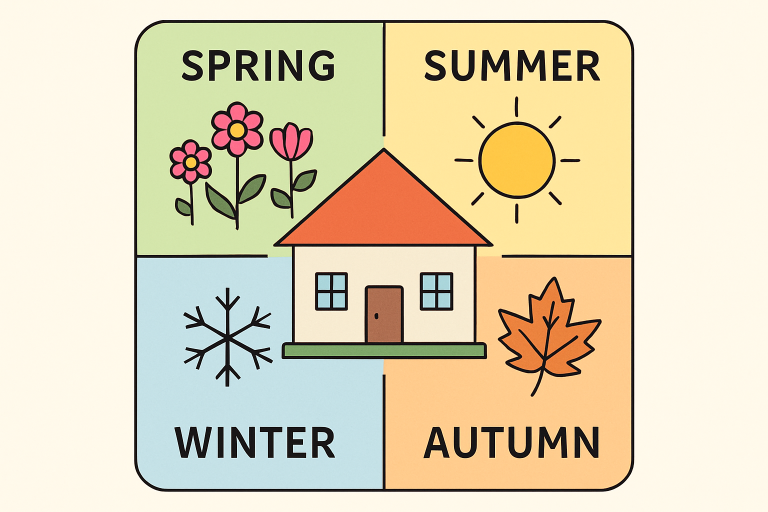
Spring Surge: The Peak of Activity
Spring is renowned as the hottest season for real estate activity, largely thanks to pleasant weather and the academic calendar. Many buyers aim to close before summer vacations or the next school year, leading to a surge in listings and heightened activity. Sellers often take advantage of spring’s vibrant curb appeal, preparing their homes for picture-perfect showings when flowers bloom and lawns look their best.
With so much competition among buyers during these months, homes frequently sell for above asking price and spend very little time on the market. However, buyers need to be prepared: bidding wars are common, and swift decisions are required to land desirable properties. Sellers, on the other hand, should ensure their listings stand out by investing in staging and professional photography.
Summer Plateau: Sustained Momentum
The momentum from spring carries into early summer, with active buying and selling continuing at a brisk pace. Many families race to make transitions before school resumes, which keeps demand and pricing robust. However, as the heat intensifies and vacations increase, activity often tapers off towards the end of the season. This slight slowdown can signal a shift towards softer negotiations for patient buyers, with some sellers more inclined to compromise as they seek to close deals before autumn.
Autumn Adjustments: A Balanced Market
Once the school year starts and the holiday season approaches, the real estate market finds a new equilibrium. While there are fewer buyers in the fall, those in the market tend to be highly motivated. Sellers who list during this period may need to consider strategic price reductions or flexible terms to capture committed buyers. Opportunities abound for buyers willing to act decisively, especially as unsold homes from the busy seasons come down in price. For more insights into national housing trends and statistics, the New York Times Real Estate section provides up-to-date reports year-round.
Winter Opportunities: A Buyer’s Market
Winter’s chill typically slows the housing market considerably. Fewer homes are listed, and most buyers are occupied with end-of-year obligations or waiting for warmer weather. However, this can create a unique chance for determined buyers: less competition means more negotiating power and the possibility of favorable pricing. Sellers willing to brave the winter slump are often highly motivated, potentially making concessions to close quickly. For buyers, acting swiftly on attractive listings is crucial, as choices are limited during these months.
Regional Variations: Climate and Market Dynamics
Seasonality isn’t uniform everywhere. In warmer climates, such as Southern California or parts of Texas, the winter slowdown is often less dramatic, and the timing of peak activity may shift. Tourist-heavy areas and second-home markets (such as mountain or beach communities) can also exhibit unique patterns, peaking during holiday or vacation seasons. Local insight is invaluable, so connecting with a neighborhood expert ensures you tap into key market nuances at the right time.
Post-Pandemic Shifts: Changing Patterns
The pandemic ushered in significant disruptions to every aspect of real estate, including its once-predictable seasonality. With evolving work arrangements and shifts in demand, recent studies indicate that annual peaks are now arriving earlier and off-peak seasons are more active than before. Flexible work-from-home options and migration trends have made it essential for buyers and sellers to stay closely attuned to changing conditions, as traditional wisdom doesn’t always hold in today’s market.
Strategic Tips for Buyers and Sellers
- For Buyers: Shop during slower months, such as late fall and winter, to benefit from lower competition and more favorable terms. Remain proactive and decisive when inventory is limited.
- For Sellers: Aim to list your property in spring or early summer to reach the widest pool of buyers. Invest in preparation and marketing to make your listing irresistible during peak periods.
Leveraging seasonality empowers both buyers and sellers to make strategic decisions. By paying close attention to timing, local market dynamics, and post-pandemic trends, you can maximize your success in real estate, regardless of market swings.
Conclusion
Seasonal shifts continue to be a powerful force in shaping real estate markets affecting everything from pricing and inventory to buyer motivation and negotiation leverage. Whether you’re planning to move during the competitive spring rush or exploring off-season advantages in fall and winter, understanding these patterns can give you a meaningful edge. While broader market influences, such as remote work trends and changing migration patterns, may alter traditional cycles, smart planning and local expertise remain essential.
By aligning your goals with the most favorable time of year to buy or sell and keeping an eye on regional nuances, you can make confident decisions that support both your financial and lifestyle priorities. No matter the season, an informed approach helps you navigate the market strategically and secure the best possible outcome on your next real estate move.
