

Online shopping has moved well beyond convenience-driven purchases like books or electronics. Today, it plays a meaningful role in how people approach lifestyle products, items tied to daily routines, personal preferences, and long-term habits. From wellness tools to subscription-based essentials, digital platforms increasingly shape not just what consumers buy, but how they evaluate value, trust, and accessibility.
This shift is not about replacing physical stores altogether. Instead, it reflects a more nuanced buying landscape where consumers weigh speed, information, privacy, and control. Understanding how and why people choose between online and in-person purchasing offers insight into broader changes in consumer behavior driven by technology.
The Rise of Lifestyle Shopping in Digital Spaces
Lifestyle purchases tend to be more personal than transactional. They often involve research, comparison, and repeat buying decisions rather than one-time needs. As digital tools have improved, online platforms now support these behaviors more effectively than ever before. Consumers can explore detailed product descriptions, read reviews, and revisit past purchases with minimal effort.
Technology has also reduced the friction traditionally associated with buying lifestyle products. Mobile apps, saved preferences, and automated reordering make it easier for individuals to integrate purchasing into their routines. This ease of access has shifted expectations, with many consumers now viewing online availability as a baseline rather than a bonus.
Convenience Versus Experience: How Consumers Weigh Their Options
One of the most significant factors influencing purchasing decisions is convenience. Online shopping removes geographic limitations, store hours, and time constraints. For busy individuals, this flexibility often outweighs the benefits of browsing in person. Being able to compare multiple options quickly or place an order outside traditional business hours aligns well with modern schedules.
That said, in-person shopping still holds value, particularly for products where tactile experience or immediate use matters. Physical stores offer real-time interaction, staff guidance, and instant gratification. As a result, consumers increasingly assess the difference between buying vapes online and in person based on context rather than preference alone. For certain lifestyle categories, including vaping-related products, understanding the difference between buying online and in person has become part of broader consumer decision-making rather than a niche concern.
Access, Availability, and Informed Choice
Access plays a crucial role in shaping purchasing behavior. Not all consumers live near specialty stores or have access to a wide range of product options locally. Online platforms help bridge that gap by offering broader inventories and clearer visibility into what is available. This is particularly relevant for lifestyle products that may not be stocked consistently across regions.
Beyond availability, digital environments empower informed choice. Product specifications, user reviews, and side-by-side comparisons allow consumers to evaluate options more thoroughly than in many physical settings. This access to information has raised expectations, with shoppers increasingly valuing transparency and detail when making purchasing decisions.
Trust, Transparency, and Consumer Confidence
As online shopping has expanded into lifestyle categories, trust has become a central concern. Consumers want assurance that products meet quality standards, arrive as described, and are supported by reliable customer service. In response, reputable online retailers have invested in clearer policies, verified reviews, and responsive support systems.
Transparency also influences repeat purchasing. When consumers feel confident about pricing, sourcing, and delivery timelines, they are more likely to integrate online buying into their long-term habits. This trust-building process mirrors what physical stores have traditionally offered through face-to-face interaction, but it is now achieved through digital signals and consistency over time.
Price Awareness and Value Comparison
Technology has made price comparison nearly effortless. With a few clicks, consumers can evaluate costs across platforms, factor in shipping, and assess bundled offers. This visibility has shifted power toward the buyer, encouraging more deliberate and value-driven decisions.
For lifestyle products purchased regularly, even small price differences can influence where consumers choose to shop. Online platforms often appeal to cost-conscious buyers by offering promotions or subscription savings, while physical stores may compete through personalized service or loyalty incentives. The result is a more competitive landscape that benefits informed consumers.
Privacy and Personal Preference in Modern Purchasing
Privacy considerations increasingly factor into lifestyle purchasing decisions. Some consumers prefer online shopping for products they consider personal, valuing the discretion that digital transactions provide. Others appreciate the ability to research and decide without external pressure.
At the same time, personal preference still drives certain shoppers toward in-store experiences, particularly when advice or reassurance is desired. These differing priorities highlight that technology has expanded choice rather than enforcing a single model of consumption.
How Hybrid Buying Habits Are Becoming the Norm
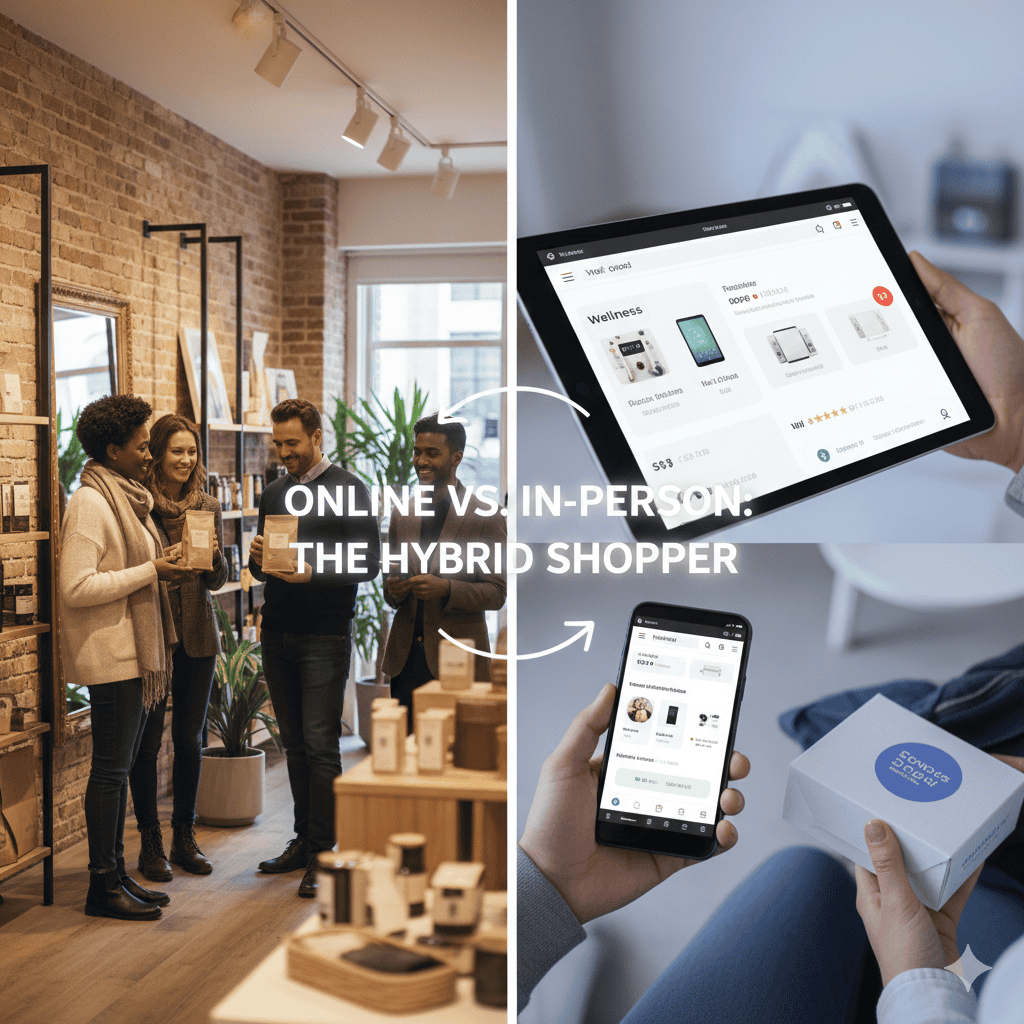
Rather than choosing one channel exclusively, many consumers now adopt hybrid buying habits. They may research products online, purchase in store, or do the reverse depending on convenience and availability. This blended approach reflects a more strategic use of technology to support lifestyle needs.
Retailers that recognize and accommodate these behaviors, by offering consistent information, flexible fulfillment, and clear communication, are better positioned to meet evolving expectations. For consumers, the ability to move seamlessly between online and offline options represents a more adaptive and empowered shopping experience.
The Broader Impact on Consumer Culture
The shift toward online lifestyle shopping signals deeper changes in how people relate to consumption. Buying decisions are increasingly informed by data, peer input, and long-term value rather than impulse alone. Technology has amplified these tendencies by making information and access ubiquitous.
As digital tools continue to evolve, the distinction between online and in-person shopping will likely become less about opposition and more about suitability. Consumers will continue to choose the option that best aligns with their priorities at a given moment.
Looking Ahead: Choice as the Defining Feature
Online shopping is not eliminating physical retail, nor is it a temporary trend. Instead, it has expanded the range of choices available to consumers navigating lifestyle purchases. The defining feature of this evolution is flexibility, being able to decide how, when, and where to buy based on individual needs.
As technology further integrates into daily life, understanding purchasing options becomes part of informed living. For modern consumers, the real advantage lies not in choosing one channel over another, but in having the freedom to choose what works best.