

Key Takeaways:
- ERISA has significantly shaped employee benefits over the past 50 years, but challenges remain in ensuring comprehensive coverage.
- Recent legislative changes and court rulings are influencing the administration and litigation of employee benefit plans.
- Employers must stay informed and proactive to navigate the evolving landscape of ERISA compliance.
Table of Contents:
- Introduction
- ERISA Overview
- Current Trends in Employee Benefits
- Challenges in ERISA Compliance
- Impact of Recent Legislation
- Litigation and Legal Developments
- Best Practices for Employers
- Final Thoughts
Introduction
The Employee Retirement Income Security Act (ERISA) has stood as the bedrock of federal law governing employee benefit plans, including retirement and health plans, since 1974. By establishing minimum standards for protection, ERISA has shaped the way businesses structure and administer benefits for millions of American workers. Today, compliance has become increasingly critical, making legal guidance from seasoned professionals, such as a San Francisco ERISA attorney, invaluable for employers and plan sponsors navigating an ever-evolving legal landscape.
With approaching half a century of oversight, ERISA’s influence is visible in the transparency and security of employee benefits. However, the regulatory framework still struggles to keep pace with modern workforce trends, the challenges of the gig economy, and the broadening expectations for benefit offerings. Understanding the current developments, statutory reforms, and judicial shifts is essential for employers, benefit professionals, and employees alike.
Staying informed about legislative updates and landmark court decisions positions businesses to avoid costly compliance missteps while fostering workforce trust through robust benefit offerings.
As awareness of benefit adequacy grows, so does the need for comprehensive solutions and expert compliance support. Employers who understand both legal requirements and employee expectations can gain a competitive advantage in talent retention.
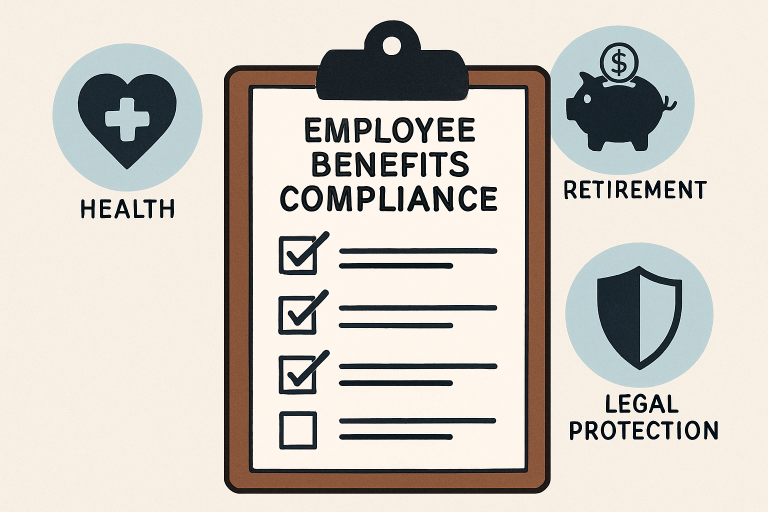
Among its most significant contributions are the fiduciary standards that mandate prudent asset management and prohibit self-dealing. In addition to federal oversight, ERISA preempts conflicting state laws, providing employers with a federal shield, though state initiatives are growing more robust.
Current Trends in Employee Benefits
- Shift to Defined Contribution Plans: The disappearance of traditional pensions has accelerated the dominance of defined contribution plans, especially 401(k)s, shifting retirement planning risk from employers to employees. This change means workers are now increasingly responsible for making investment decisions and bearing market risks.
- Rothification of Retirement Plans: Employers and employees alike are gravitating toward Roth account options, which allow after-tax contributions and tax-free withdrawals in retirement. This structure offers greater tax flexibility and appeals to younger professionals seeking long-term growth.
- State-Sponsored Retirement Programs: States such as California, Illinois, and Oregon have introduced mandates requiring employers without qualified retirement plans to participate in automatic payroll deduction IRAs. These programs address persistent gaps in coverage for workers at smaller firms and those in lower-wage sectors.
Challenges in ERISA Compliance
Despite strong protections, significant compliance and coverage challenges persist:
- Coverage Gaps: Workers in small businesses, gig-economy positions, and part-time roles often lack access to workplace retirement plans, leaving an estimated 57 million Americans without access to workplace retirement savings options.
- Complexity of Regulations: ERISA’s comprehensive, highly technical regulations can overwhelm plan sponsors, leading to compliance errors in reporting, disclosures, or fiduciary breaches.
- Fiduciary Responsibilities: The threat of personal and organizational liability under ERISA’s fiduciary standards requires constant vigilance. Plan fiduciaries risk litigation and penalties for even unintentional missteps or procedural oversights, further highlighting the importance of diligent administrative processes.
Impact of Recent Legislation
Recent legislative developments signal a renewed focus on expanding retirement security and closing access gaps.
- SECURE 2.0 Act: Enacted to update and expand upon prior reforms, SECURE 2.0 facilitates increased plan participation through provisions such as automatic enrollment, higher catch-up contributions, and tax incentives for small businesses. These changes aim to boost both savings rates and access for underrepresented populations.
- State Initiatives: A growing number of states have launched retirement savings programs tailored to employees lacking workplace options. Notably, these state-level efforts complement rather than supplant ERISA, seeking to fill coverage gaps without undermining national benefit standards.
Litigation and Legal Developments
Litigation under ERISA has dramatically increased as participants seek redress for fiduciary breaches and excessive fees. Recent years have seen a surge in class-action lawsuits challenging plan investment choices, fee structures, and alleged conflicts of interest.
- Increase in ERISA Lawsuits: The U.S. Supreme Court and federal courts have addressed several pivotal cases that have clarified standards for excessive fee claims and the definition of fiduciary behavior, shaping how plan sponsors manage legal risk.
- Supreme Court Decisions: Key rulings, such as those addressing prohibited transaction claims, have forced employers to reevaluate service-provider selection and ensure that all fees are justified and transparent.
Best Practices for Employers
Regular Plan Audits
Employers who proactively review their benefit plans are best positioned to avoid compliance lapses. Annual audits, whether internal or external, help surface potential issues before they escalate into regulatory action or litigation.
Fiduciary Training
Fiduciaries should undergo consistent training and remain current with legal developments. By fostering a culture of compliance, employers reduce their legal exposure and demonstrate a sustained commitment to employee well-being.
Transparent Communication
Open dialogue about benefit plan management, options, and changes can foster better understanding and confidence among employees. Transparent disclosures, timely updates, and accessible support channels are hallmarks of a compliant and employee-focused organization.
Final Thoughts
Over the past 50 years, ERISA’s impact on employee benefits has been profound. As benefit plan structures and workforce needs continue to evolve, so do the compliance and coverage challenges that employers must confront. Proactive attention to legislation, litigation trends, and best practices resounds in every well-managed benefits program. Employers who stay adaptive and informed, bolstered by expert legal counsel, will be best positioned to meet the needs of their workforce and maintain a competitive edge in recruitment and retention.
