


Key Takeaways
- An expert running track builder elevates safety, performance, and longevity for athletic programs.
- Advanced design, modern materials, innovative technology, and eco-conscious practices deliver substantial value.
- Professional maintenance planning and safety compliance reduce long-term costs and promote athlete well-being.
Table of Contents
- Introduction
- Expertise in Design and Construction
- Utilization of Advanced Materials
- Integration of Smart Technology
- Environmental Considerations
- Cost-Effective Maintenance Planning
- Compliance with Safety Standards
- Conclusion
Introduction
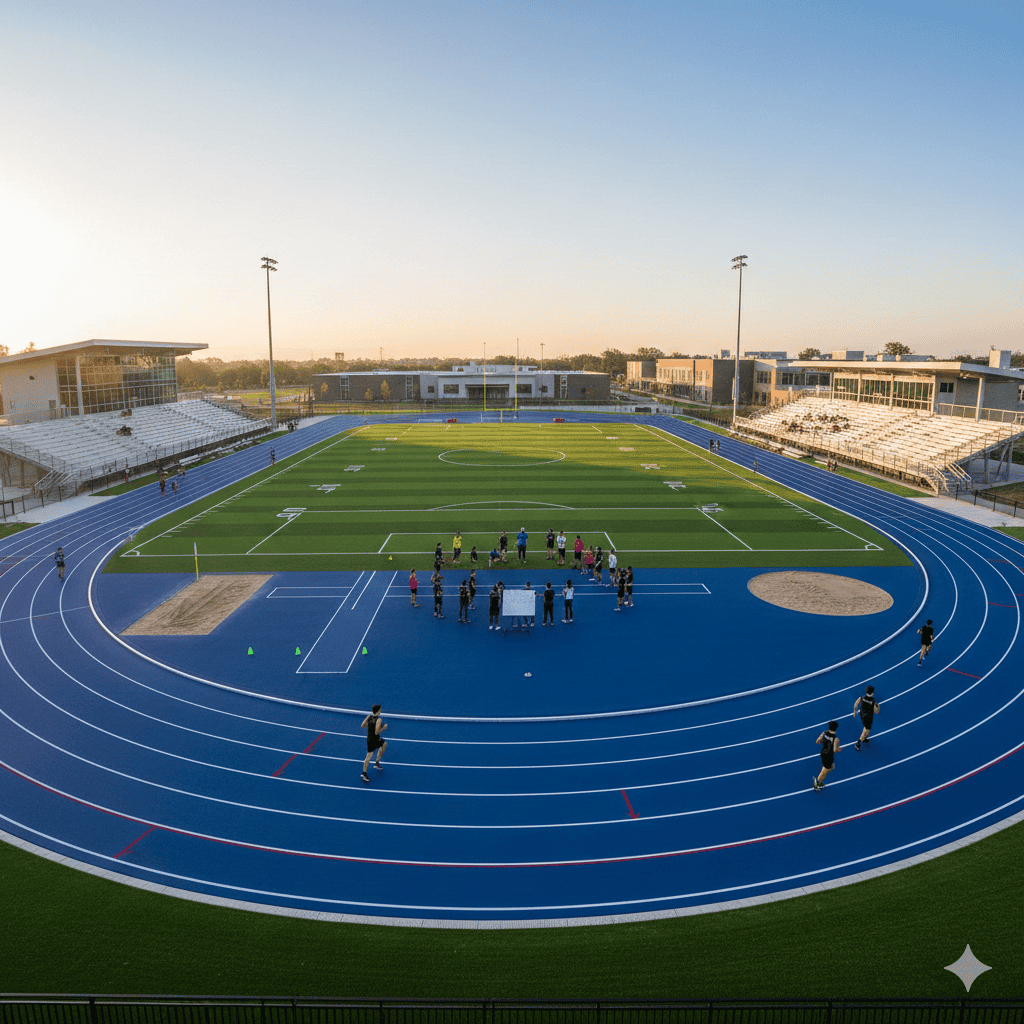
Investing in high-quality athletic facilities is crucial for maximizing an athletic program’s success and improving performance and safety. A meticulously constructed running track provides athletes with a consistent, injury-resistant surface that minimizes injury risk while promoting optimal performance. By choosing a skilled construction specialist, such as Miller Sports running track builder, programs can ensure that every stage of design and installation is handled with professional precision and care.
A seasoned track builder brings more than just construction expertise—they offer deep knowledge of modern materials, advanced technologies, and eco-friendly practices that make tracks both high-performing and sustainable. This commitment to innovation enhances daily training experiences and boosts your athletic facility’s overall reputation within the sports community.
Expertise in Design and Construction
A certified track builder’s services begin long before ground is broken. Their expertise encompasses thorough site assessments, compliant architectural planning, and meticulous execution, ensuring the track meets all local, state, and federal regulations. Factors like climate, drainage, and underlying soil stability are evaluated to ensure long-term durability and athlete safety. Professional builders also tailor track dimensions, lane widths, and surface configurations to meet the specific needs and ambitions of the athletic program and its users.
Furthermore, they stay current on the latest guidelines from organizations such as the International Association of Athletics Federations (IAAF) and other major athletic governing bodies, ensuring that the facility is eligible to host official events. This attention to regulatory requirements not only enhances safety and usability but also maximizes the facility’s prestige and versatility.
Utilization of Advanced Materials
Selecting the right combination of materials for a running track can drastically influence its durability and athlete experience. Innovative surface solutions—such as polyurethane, latex-bound surfaces, or advanced synthetic composites—offer benefits ranging from superior weather resistance to enhanced shock absorption. These high-tech materials not only prolong the facility’s lifespan but also reduce maintenance requirements and lower the total cost of ownership.
A professionally built track features a carefully constructed base layer and drainage system to prevent water accumulation and surface damage. Shock-absorbing layers can help mitigate impact forces, reducing the likelihood of athlete injuries and allowing for faster, more explosive performances.
Integration of Smart Technology
The integration of innovative technology in running tracks is revolutionizing athletic training, competition, and facility management. Modern tracks increasingly feature embedded sensor systems that track real-time data such as split times, stride length, cadence, and ground-contact efficiency. Coupled with advanced timing equipment and analytics platforms, these technologies provide coaches and trainers with a comprehensive understanding of each athlete’s performance. This data-driven approach allows for highly personalized training regimens, helping athletes optimize speed, endurance, and technique. Beyond performance, innovative technology also enhances safety. Sensors can detect irregular movements or fatigue patterns, alerting coaches to potential injury risks before they occur. For schools and community programs, these technological integrations also support scheduling, resource management, and long-term athlete development, making the facility more efficient and versatile.
Environmental Considerations
Sustainability is becoming a top priority in modern athletic facility design. Builders are increasingly sourcing recycled or renewable materials for track construction, including rubber composites, synthetic surfaces, and base layers. Environmentally conscious adhesives and coatings reduce harmful emissions during installation, while engineered drainage systems and permeable surfaces minimize water usage and chemical runoff. Furthermore, proper site management and waste reduction practices contribute to lower carbon footprints, helping athletic programs meet broader sustainability goals. Incorporating green practices benefits the environment. It also sends a strong message to athletes, parents, and the community that the facility values ecological responsibility. Over time, these eco-friendly designs can lower operational costs by reducing water consumption, improving energy efficiency, and providing durable, low-maintenance surfaces.
Cost-Effective Maintenance Planning
A running track is a long-term investment, and its actual value is realized through proactive maintenance planning. Experienced facility managers develop strategic maintenance schedules that include regular surface inspections, debris removal, pressure washing, and minor repairs to prevent small issues from becoming costly problems. Preventive measures such as sealant applications, proper drainage checks, and repair of minor cracks can extend the lifespan of the track by several years, maintaining optimal performance and safety. Intelligent maintenance planning also allows facilities to allocate resources efficiently, reducing unplanned expenditures and downtime. For multi-use tracks or community facilities, this planning ensures continuous accessibility for athletes of all ages and abilities, keeping the facility both safe and competitive in the long run.
Compliance with Safety Standards
Safety is the cornerstone of any athletic facility, and running tracks are no exception. Certified builders and designers adhere to both local building codes and international standards for track construction, ensuring the facility minimizes risks associated with uneven surfaces, poor drainage, inadequate markings, or slippery areas. Modern track surfaces are engineered for consistent shock absorption, reducing the likelihood of joint injuries and repetitive stress issues. Additionally, safety compliance involves proper signage, lane demarcation, and accessible pathways for all users. By prioritizing compliance, facility owners not only protect athletes from injury but also safeguard themselves from potential legal or regulatory challenges. A strong safety record enhances the facility’s reputation, making it a preferred venue for school competitions, community events, and professional training programs.
Conclusion
The foundation of a successful athletic program begins with the track itself. Investing in a high-quality running surface designed with innovative technology, sustainability, proactive maintenance, and safety compliance in mind ensures every athlete has the tools to reach their full potential. Partnering with skilled, certified track builders ensures these elements are seamlessly integrated, providing a long-lasting facility that supports performance, protects users, and reflects a commitment to the environment and community. In an era where athletic performance and responsible construction are both highly valued, a thoughtfully designed track becomes more than just a surface. It becomes the centerpiece of a thriving athletic program that benefits generations of athletes.